
Compression Therapy Central Coast
Why Central Coast Locals Trust Coastal Rehab Hub
Locally Owned & Operated
We are genuinely invested in the long-term wellbeing of the Central Coast community.
Leading Robotics & Technology
Coastal Rehab Hub help clients achieve safer, faster & more sustainable outcomes.
Post Natal Support
Photobiomodulation therapy assists post-cesarian recovery; PBMT in the Prism Light Pod promotes energy, sleep, & muscle recovery, & reduces discomfort for new mothers.


Compression Therapy for Sports Recovery on the Central Coast
If you’re active on the Central Coast, whether you’re hitting the gym, playing footy, running coastal tracks, or training hard each week, recovery isn’t optional, it’s essential.
At
Coastal Rehab Hub, we use advanced compression therapy to help your body recover faster, reduce soreness, and keep you performing at your best.
What Is Compression Therapy for Sports Recovery?
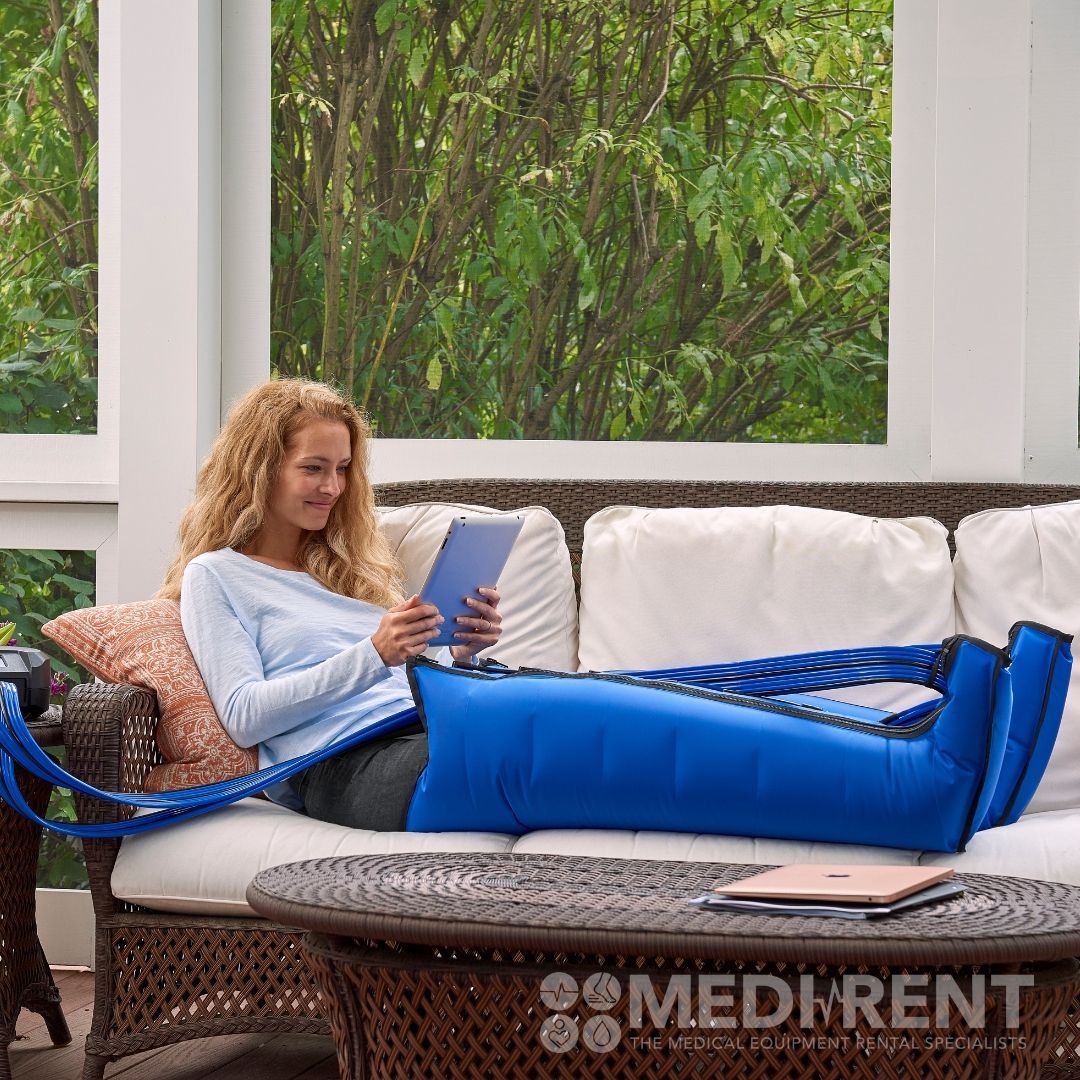
Compression therapy uses controlled, rhythmic pressure applied to your limbs, typically through specialised boots or sleeves, to stimulate circulation and support your body’s natural recovery process.
This pressure helps move blood, oxygen, and nutrients back through tired muscles while flushing out waste products that build up after intense training.
Comprehensive Guide to Compression Therapy (SIPC)
Benefits, Applications, and Treatment Options
At
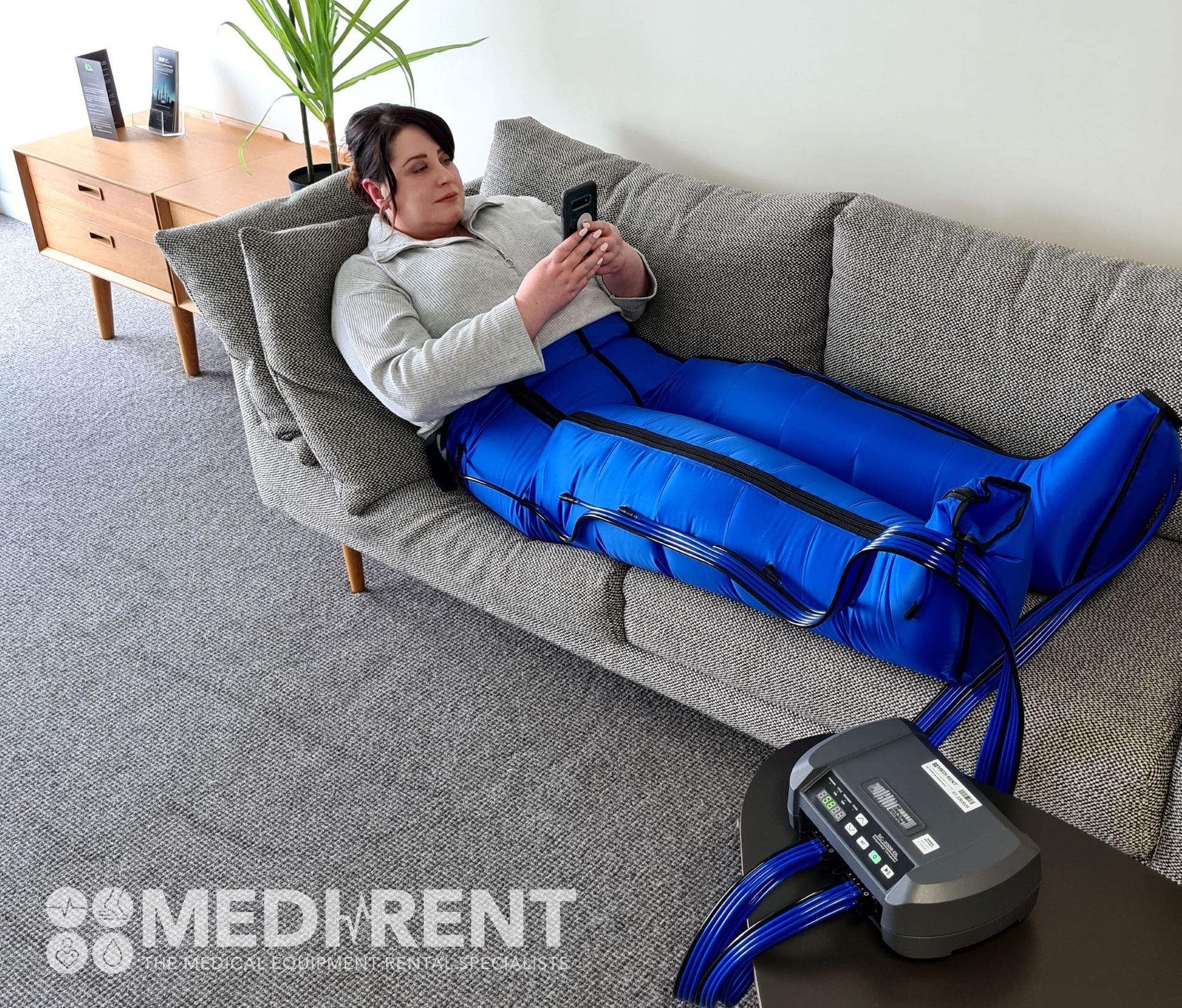
Coastal Health Hub, we’re proud to offer Compression Therapy using advanced Sequential Intermittent Pneumatic Compression (SIPC) systems. This clinically backed treatment uses programmable compression pumps and multi-chamber garments to enhance lymphatic flow, improve circulation, and reduce swelling through controlled, rhythmic external pressure.
Over the years, we’ve seen firsthand how Compression Therapy helps Central Coast patients manage lymphoedema, venous insufficiency, post-surgical swelling, and general circulation issues. SIPC therapy mimics and amplifies natural lymphatic drainage, making it a powerful, non-invasive option for long-term symptom relief and improved quality of life.
Renting SIPC Devices: Making Compression Therapy Accessible at Home
Recognising that long-term therapy can be a significant commitment, Coastal Health Hub offers rental options for SIPC devices — making Compression Therapy more accessible and flexible for our patients.
Why Choose Rental?
- Risk-free trial: Use the device for a month or more, and assess how your body responds before committing.
- Cost effectiveness: Rental fees can often be applied toward purchase if you decide to continue long-term.
- Easily fits into your daily routine: no need for regular clinic visits.
- Support & guidance: At Coastal Health Hub, we provide garment fitting, instruction, and ongoing support to ensure you get the most from your therapy.
Who Should Consider Renting?
- New patients exploring Compression Therapy for lymphoedema, venous insufficiency, or post-surgical swelling
- Individuals uncertain about long-term commitment or suitability of SIPC treatment
- Patients who prefer home-based management rather than frequent clinic visits
By offering rental options, we aim to reduce barriers to effective compression therapy, giving you control over your treatment journey while maintaining professional support and clinical oversight.
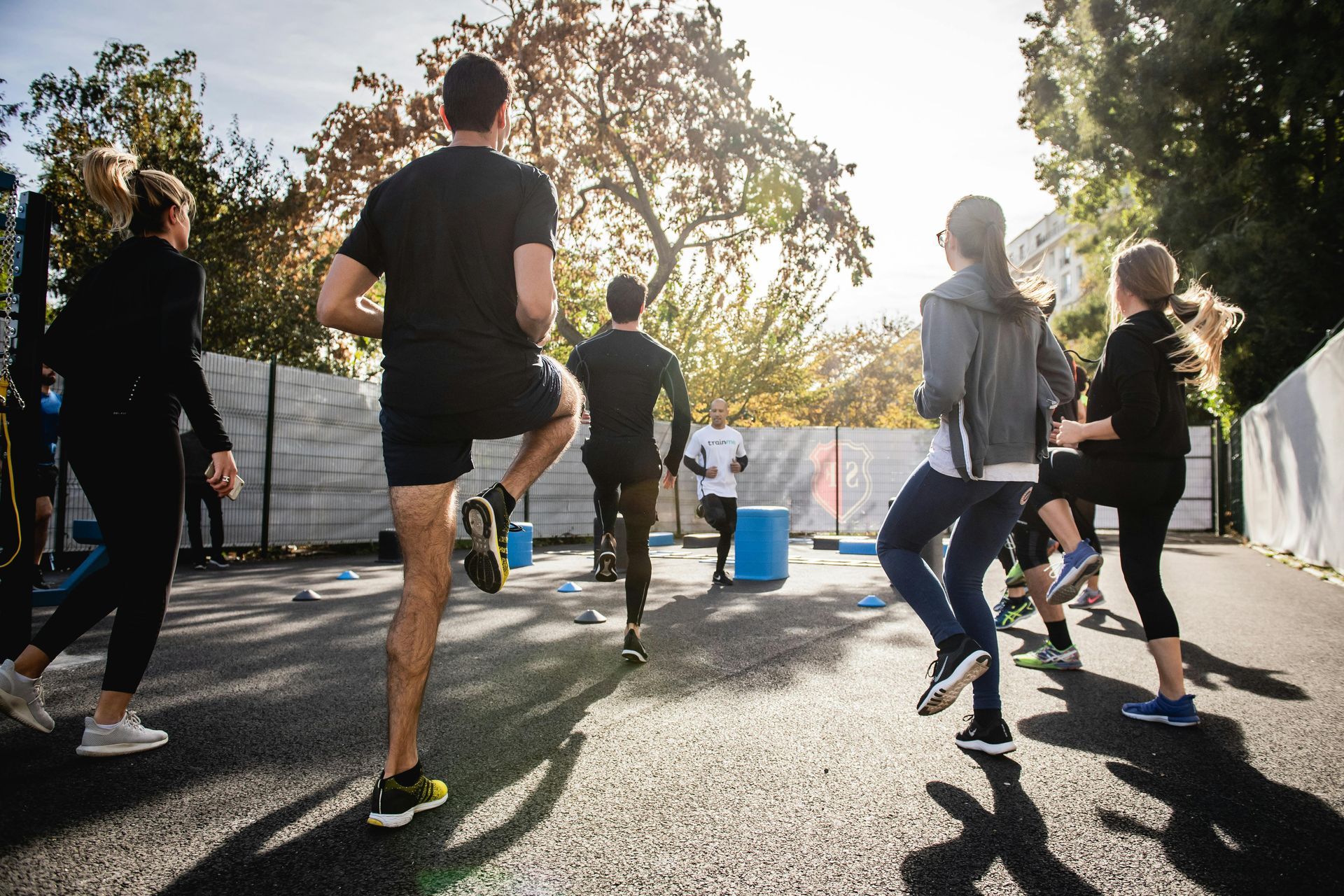
Why Athletes Use Compression Therapy
Faster Muscle Recovery
After a tough session, your muscles are full of metabolic waste and micro-damage. Compression therapy helps accelerate recovery by improving circulation and clearing these byproducts faster.
Reduced Muscle Soreness (DOMS)
Delayed onset muscle soreness is one of the biggest barriers to training consistency. Compression therapy can significantly reduce soreness by limiting inflammation and improving blood flow
Improved Circulation and Oxygen Delivery
Compression increases venous return, meaning blood flows back to the heart more efficiently. This boosts oxygen delivery to muscles, helping repair tissue and restore energy levels.
Reduced Swelling and Inflammation
Intense training can lead to fluid build-up and inflammation in the muscles. Compression therapy helps prevent this by promoting lymphatic drainage and reducing excess fluid.
Train Harder, More Often
The real benefit? Consistency.
When your recovery improves, you can:
- Train more frequently
- Push harder during sessions
- Reduce injury risk
- Maintain peak performance
That’s why compression therapy is used by elite athletes and everyday fitness enthusiasts alike.
What This Guide Covers
In this guide, we walk you through everything you need to know about Compression Therapy using SIPC pumps, including:
How SIPC systems work
Evidence-based clinical applications
How we personalise compression programs at Coastal Health Hub for the best outcomes
Treatment protocols and session recommendations
Equipment selection and home-use options
Who This Is For
This guide is ideal for Central Coast patients living with:
- Lymphoedema
- Chronic venous insufficiency
- Post-surgical swelling
- Circulation disorders
- Fluid retention or oedema
Whether you’re recovering from surgery, managing a chronic condition, or seeking evidence-based compression solutions, you’ll find guidance tailored to your treatment goals.
Why This Matters
Research consistently shows that around 90% of lymphoedema cases respond positively to conservative treatment programs incorporating Compression Therapy. Clinical studies report limb volume reductions ranging from 5.8% to 45.3%, with multi-chamber SIPC systems often delivering the most significant results.
Our patients at Coastal Health Hub regularly experience noticeable improvements in swelling, mobility, and comfort within the first few weeks of treatment.
What You’ll Learn
You’ll gain clarity on:
- How SIPC compression mechanisms improve lymphatic and blood circulation
- Which conditions respond best to Compression Therapy
- How to select the right equipment and session parameters
- Practical troubleshooting and best-practice tips for home therapy
Understanding Sequential Intermittent Pneumatic Compression (SIPC)
SIPC represents the most advanced type of Compression Therapy available today. Unlike traditional compression stockings that deliver constant static pressure, SIPC therapy uses dynamic, rhythmic cycles of inflation and deflation to stimulate fluid movement.
These devices replicate the body’s natural muscle-pump action, making them especially effective for Central Coast patients who struggle with mobility or persistent fluid retention. SIPC helps redirect stagnant lymphatic and venous fluid away from congested limbs and back toward central circulation.
How SIPC Therapy Works
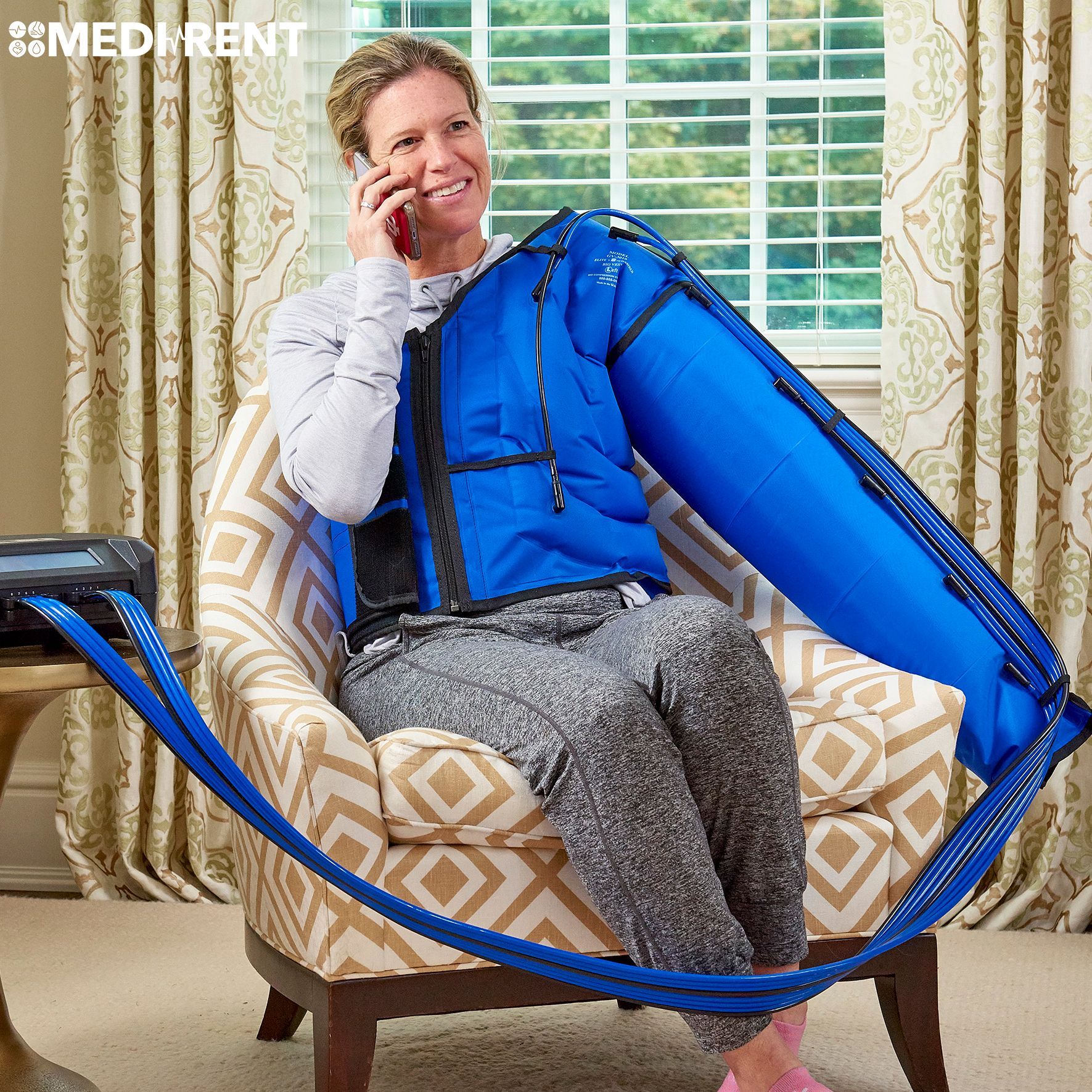
SIPC therapy operates through a series of programmed pressure waves delivered by multi-chamber compression garments. Each chamber inflates sequentially from the extremities upward, creating a gentle pressure gradient that guides excess fluid toward the trunk.
Because the pressure varies from high (distal) to low (proximal), the motion closely mirrors natural lymphatic drainage pathways, helping to:
- Reduce swelling
- Support lymphatic circulation
- Prevent fluid pooling
- Improve tissue health
The intermittent cycles also allow brief pauses for tissue refilling, contributing to more effective and sustained results.

Types of Compression Systems
Compression Therapy systems range from basic 3–4 chamber pumps to advanced 8–12 chamber SIPC devices offering highly precise control.
At Coastal Health Hub, we use modern SIPC systems that provide targeted compression for legs, arms, and in some cases, the trunk.
Why chamber count matters:
- Higher chamber count: more refined pressure gradients and superior drainage
- Lower chamber count: great for post-operative swelling or mild venous conditions
Understanding these differences helps our patients choose a device that matches their condition and treatment goals.
Role of the Lymphatic System in Compression Therapy
The lymphatic system acts as the body’s natural waste and fluid drainage network. When it becomes overloaded or impaired—such as in lymphoedema, venous insufficiency, or after surgery—compression becomes essential for restoring healthy flow.
Compression Therapy using SIPC supports lymphatic function by:
- Encouraging fluid movement from swollen extremities
- Reducing tissue congestion
- Enhancing immune response
- Improving circulation and skin integrity
Our clinicians at
Coastal Health Hub work closely with lymphoedema therapists, vascular specialists, and wound care nurses to ensure your Compression Therapy program is safe, effective, and tailored to your condition.
SIPC Therapy is also widely used in sports recovery, helping athletes reduce muscle soreness, improve recovery time, and support faster tissue repair through enhanced circulation.
Medical Applications and Eligible Conditions
Compression Therapy using SIPC has proven benefits across multiple medical conditions, especially those involving compromised lymphatic or venous function. When combined with a full treatment plan, results are often rapid and long-lasting.
Lymphoedema Management
SIPC Therapy is a cornerstone of modern lymphoedema care. It complements manual lymphatic drainage by clearing proximal lymphatic pathways before mobilising fluid from affected limbs.
Venous Disorders
Conditions such as chronic venous insufficiency or venous ulcers benefit significantly from SIPC. The sequential pressure:
- Improves venous return
- Reduces venous hypertension
- Enhances oxygenation in tissues
- Supports wound healing
Patients with stubborn swelling or long-standing venous issues often see meaningful progress within a short timeframe.
Lipoedema Support
While Compression Therapy cannot alter adipose tissue, SIPC helps reduce:
- Secondary lymphatic congestion
- Pain
- Tenderness
- Mobility limitations
Regular sessions help maintain comfort and prevent the onset of secondary lymphoedema.

Key Points
- SIPC therapy works best alongside well-fitted compression garments
- Most patients require 3–5 sessions per week during active treatment
- Multi-chamber systems provide the most effective drainage for complex swelling
SIPC Treatment Protocols and Equipment at Coastal Health Hub
Our Compression Therapy programs are fully personalised based on your diagnosis, symptoms, tolerance, and long-term health goals. We use evidence-based parameters and offer both in-clinic and home-therapy options.
SIPC can be extremely effective as a home-based therapy, allowing you to maintain consistency and achieve excellent results between clinic visits.
Comparison: LF900 vs BioCompression Systems
| Feature | LF900 System | BioCompression System |
|---|---|---|
| Chamber Count | 4-chamber sequential | 8-chamber gradient |
| Pressure Range | 30–120 mmHg | 20–100 mmHg |
| Garment Options | Leg, arm, trunk | Full-body options |
| Home Rental | $300+ /month | $400+ /month |
Our experience shows that 8-chamber systems are ideal for complex lymphoedema, while 4-chamber pumps are well suited for post-operative swelling or mild venous insufficiency. We’ll help you choose the right device for your condition and budget.
Step-by-Step: Setting Up Your SIPC Session
A standard SIPC session includes:
1. Garment Fitting
Correct sizing is essential. We take circumferential measurements at multiple points to ensure garments deliver even, therapeutic pressure.
2. Pressure Settings
We typically begin at 30–60 mmHg and adjust up to 120 mmHg depending on individual need or tolerance.
3. Session Length
A 60-minute session is standard and provides enough cycles to move lymphatic and venous fluid effectively.
4. Post-Treatment Compression
If you have been prescribed compression garments, donning these will maintain volume reduction following an SIPC pump treatment.
Common Challenges and Solutions
Compression Therapy is highly effective, but patients may encounter practical challenges along the way. We’ve developed reliable solutions to ensure your treatment stays on track.
Garment Fit and Comfort
Solution: Professional fitting, ongoing reassessment, and access to varied garment sizes. As swelling reduces, your garment needs may change. We reassess regularly to ensure optimal comfort and therapeutic pressure.
Staying Consistent with Treatment
Solution: Flexible rental options and home-therapy support.
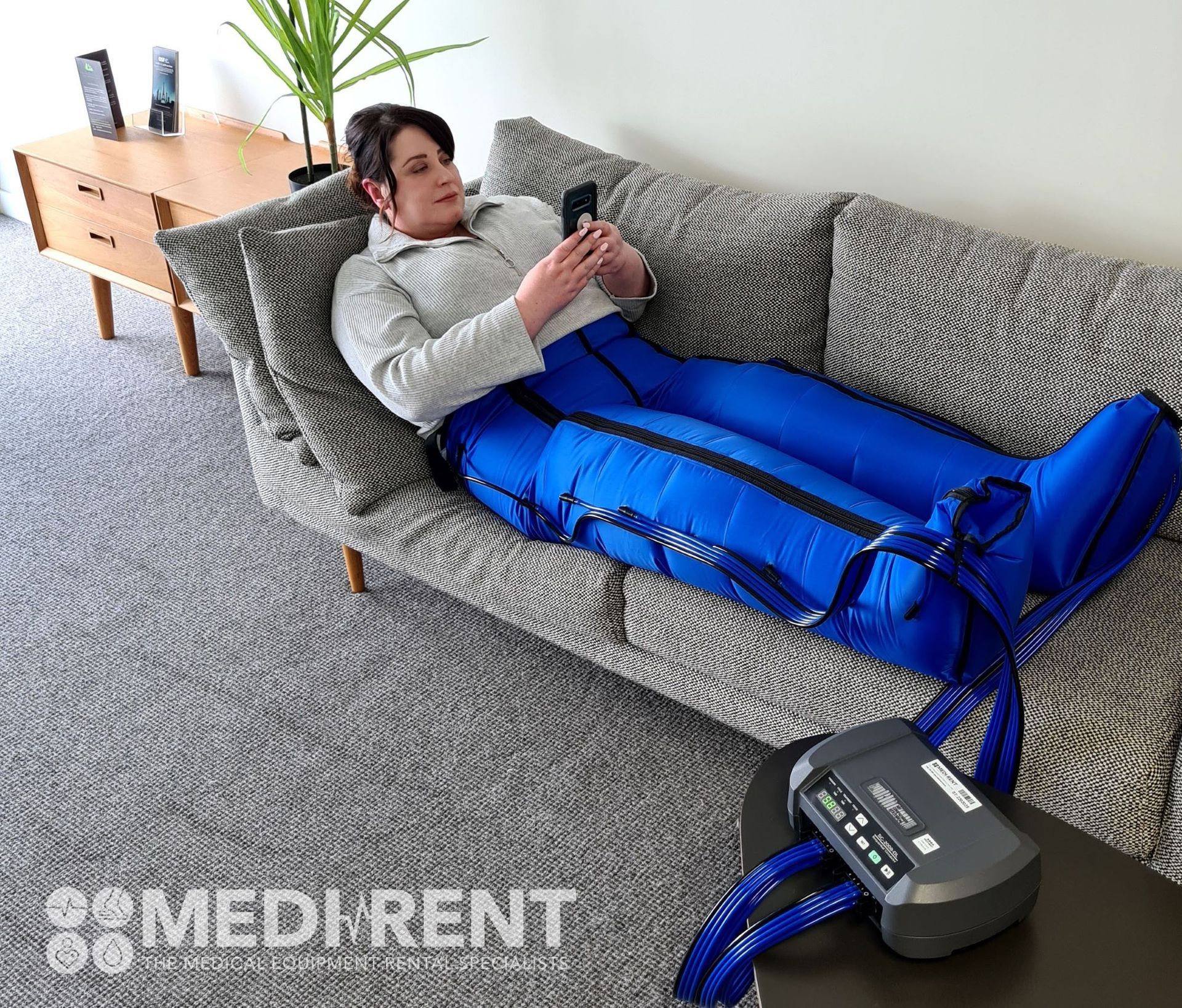
Equipment rental referrals are arranged through our preferred supplier. Compression therapy garments are professionally fitted to ensure optimal comfort and effectiveness, making it easy to maintain your treatment schedule without disruption.
Conclusion and Next Steps
Compression Therapy using SIPC is an evidence-based, non-invasive treatment that can significantly reduce swelling, improve circulation, and enhance overall quality of life. With the right assessment, equipment, and support, most patients see meaningful improvements within weeks.
Ready to get started?
- Book an assessment with our experienced team at Coastal Health Hub
- Trial an SIPC device to understand how your body responds
- Begin a personalised program tailored to your condition, lifestyle, and long-term goals