
neuro-acoustic therapy Central Coast
Why Central Coast Locals Trust Coastal Rehab Hub
Locally Owned & Operated
We are genuinely invested in the long-term wellbeing of the Central Coast community.
Leading Robotics & Technology
Coastal Rehab Hub help clients achieve safer, faster & more sustainable outcomes.
Post Natal Support
Photobiomodulation therapy assists post-cesarian recovery; PBMT in the Prism Light Pod promotes energy, sleep, & muscle recovery, & reduces discomfort for new mothers.

Neuro-Acoustic Sound Therapy: Evidence-Based Healing Through Therapeutic Sound
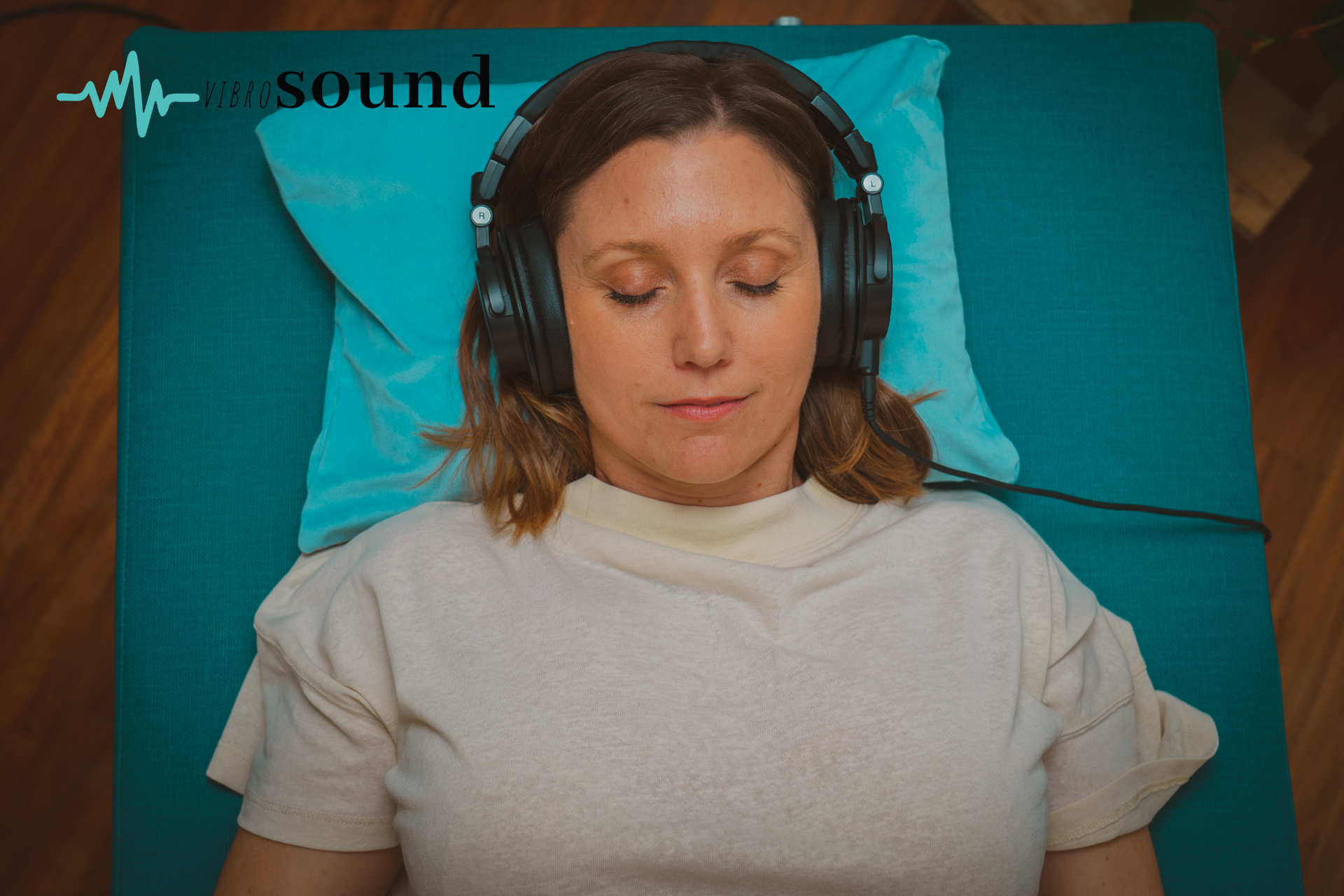
At Coastal Rehab Hub, neuro-acoustic sound therapy is one of the ways we support the nervous system to shift out of stress and into a state where healing can occur. We use carefully calibrated sound frequencies and therapeutic vibration to influence brainwave activity, autonomic nervous system balance, and physiological relaxation responses.
Unlike passive music listening, neuro-acoustic sound therapy is grounded in neuroscience and acoustic medicine. Our approach draws on research into brainwave entrainment, vibroacoustic therapy (VAT), and polyvagal-informed nervous system regulation. We commonly work with people experiencing stress, anxiety, chronic pain, sleep disturbances, and neurological overload who are looking for non-invasive, drug-free support.
Introduction to Neuro-Acoustic Healing
Neuro-acoustic sound therapy uses specific sound and vibration ranges — often 30–120 Hz for vibroacoustic applications and slower rhythmic patterns for brainwave entrainment — to help the brain and body move into calmer, more restorative states, often within the first 10–20 minutes of a session.
Through this guide, you’ll learn:
- The neuroscience behind brainwave entrainment and how sound influences mental states
- How vibroacoustic therapy supports relaxation at a whole-body, physiological level
- Clinical applications for stress relief, sleep improvement, and nervous system regulation
- Our personalised assessment and treatment process at Coastal Rehab Hub
- Practical solutions for common challenges with sound-based therapies
Understanding Neuro-Acoustic Sound Therapy
Neuro-acoustic sound therapy sits at the intersection of neuroscience, rehabilitation, and therapeutic sound. We use principles of resonance, rhythmic entrainment, and neuroplasticity to support a dysregulated nervous system — something that underlies many modern health concerns, from burnout and anxiety to persistent pain and sleep issues.
Why Choose Neuro-Acoustic Sound Healing on the Central Coast?
Locally-Based, Professional Support
Right here in Erina, no long drives, no metropolitan hustle.
Evidence-Based & Wellness Friendly
Supports real outcomes with a relaxed style.
Tailored For You
Whether you’re recovering from injury, managing pain, aiming for better sleep or simply wanting an effective wellness boost.
Integrative With Our Rehab Services
Sound healing works beautifully alongside our other therapies to enhance your results.
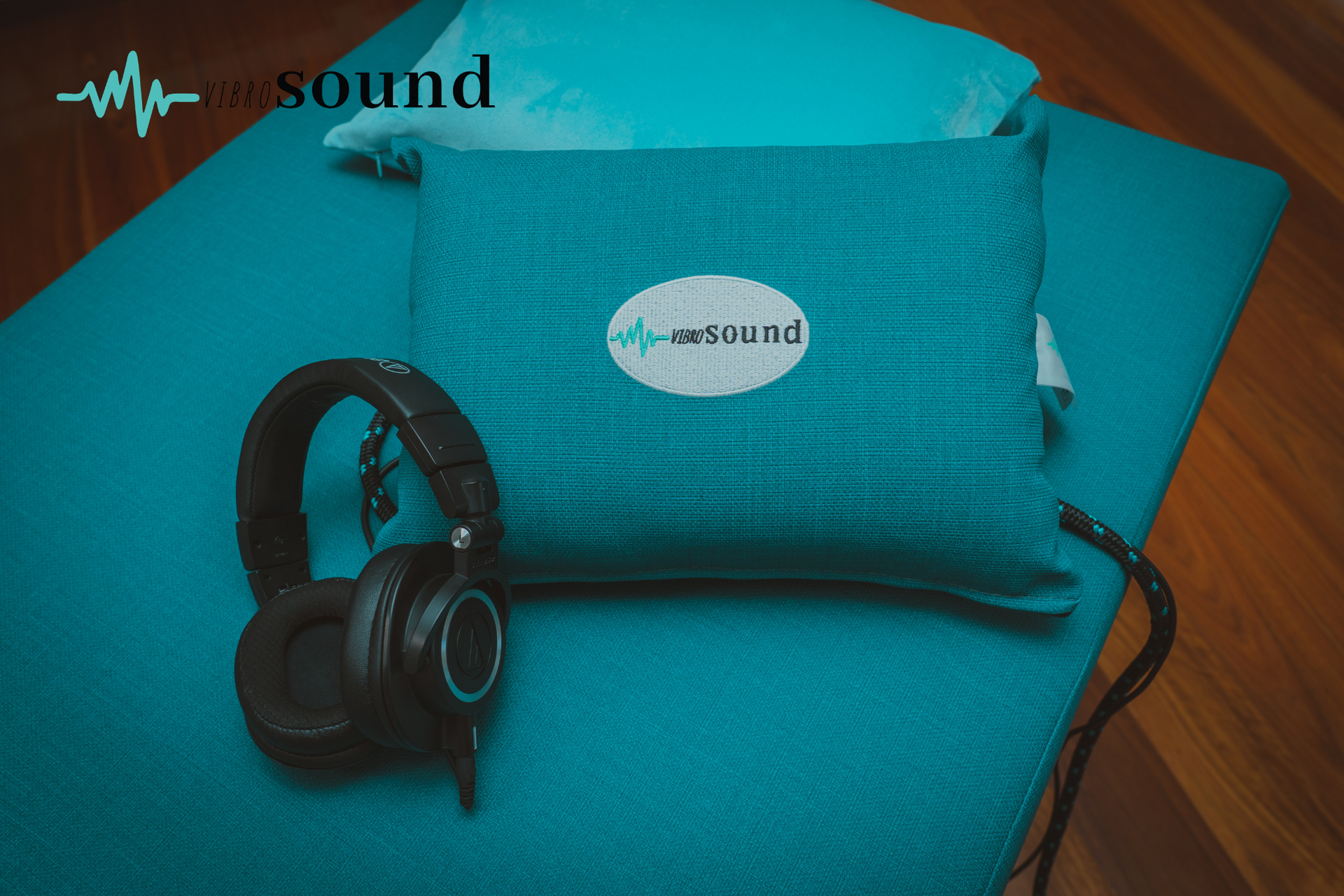
Imagine lying back in a sound-lounge or cushion as low-frequency waves move gently through your body, your breathing lengthens, your muscles melt and your mind drifts into clarity. That’s the experience.
Brainwave Entrainment Science
Brainwave entrainment refers to the brain’s natural ability to synchronise its electrical activity with rhythmic sensory input. When we introduce steady, pulsed sound patterns, the brain can follow that rhythm — a process known as the frequency-following response.
The brain operates across several frequency bands:
- Delta (0.5–4 Hz): Deep sleep and physical restoration
- Theta (4–8 Hz): Meditation, creativity, emotional processing
- Alpha (8–12 Hz): Relaxed alertness, calm focus
- Beta (12–30 Hz): Active thinking, concentration
- Gamma (30+ Hz): High-level cognitive processing
By guiding clients toward alpha or theta states, neuro-acoustic sound therapy helps reduce hyperarousal and supports emotional regulation. Techniques such as binaural beats (where slightly different tones are presented to each ear) can encourage the brain to shift into these calmer patterns, which research links with reduced stress markers and improved heart rate variability.
Vibroacoustic Therapy Mechanisms
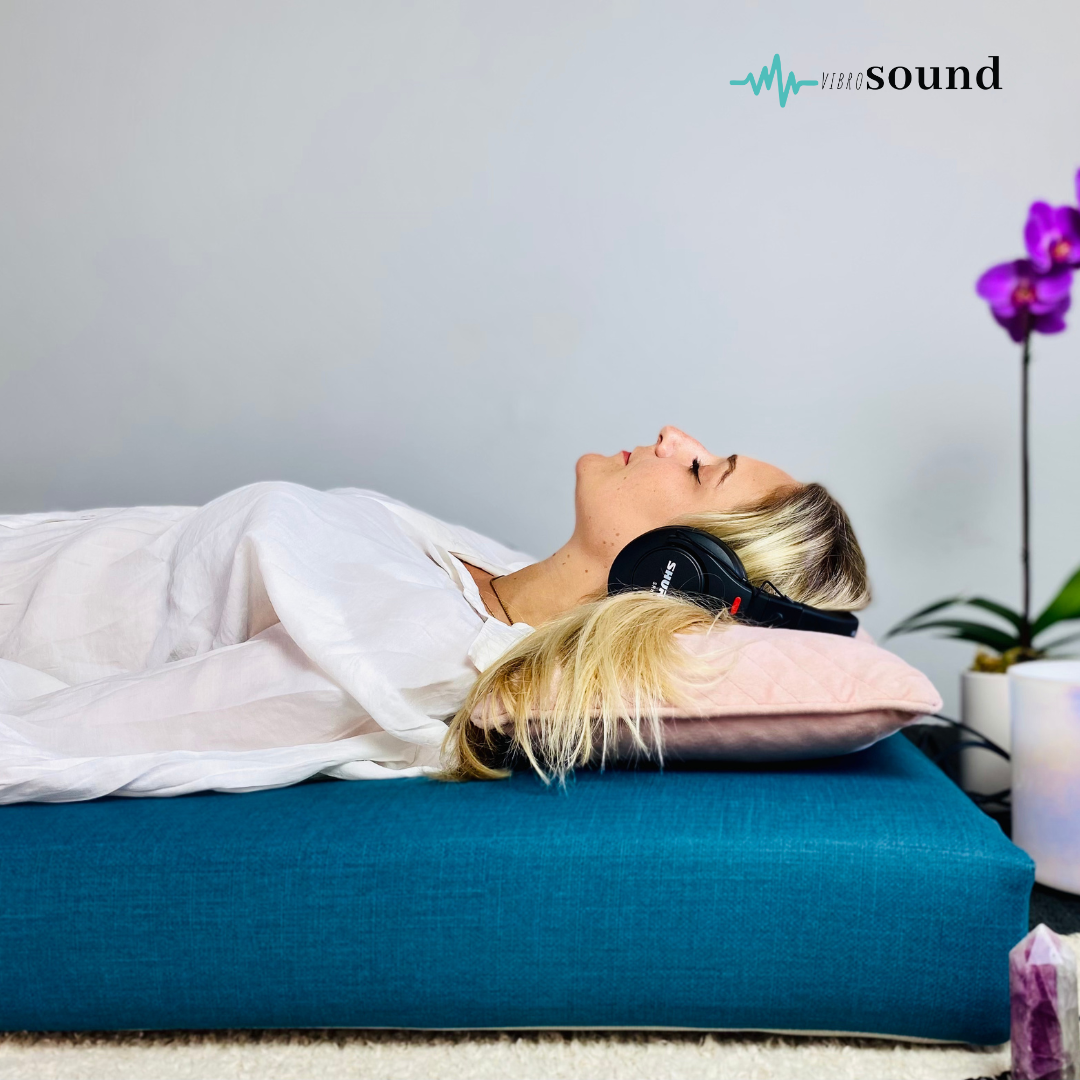
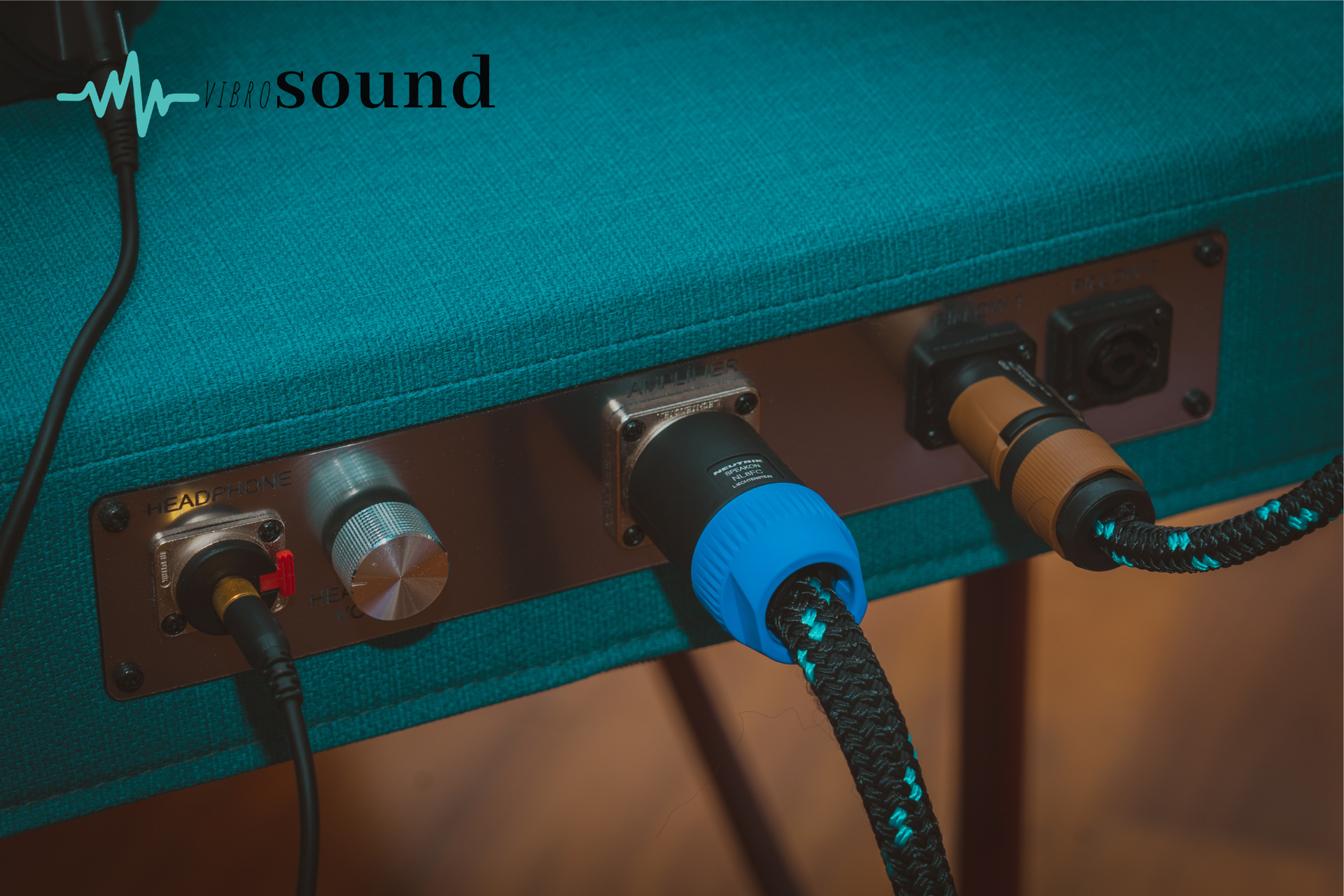
Vibroacoustic therapy adds a physical dimension to sound therapy. Using low-frequency sound vibrations delivered through specialised equipment, we introduce gentle oscillations directly into the body.
Frequencies typically between 30–120 Hz travel through muscles and connective tissue, supporting:
- Reduced muscle tension
- Improved circulation
- Activation of the parasympathetic (“rest and digest”) nervous system
- Vagus nerve stimulation linked to calm and emotional regulation
Many clients report a noticeable shift into deep relaxation within minutes, as the body transitions away from fight-or-flight dominance.
Clinical Applications and Treatment Modalities
We apply neuro-acoustic sound therapy through several modalities, depending on your needs, sensitivity levels, and treatment goals.
Sound Lounge & Vibroacoustic Sessions
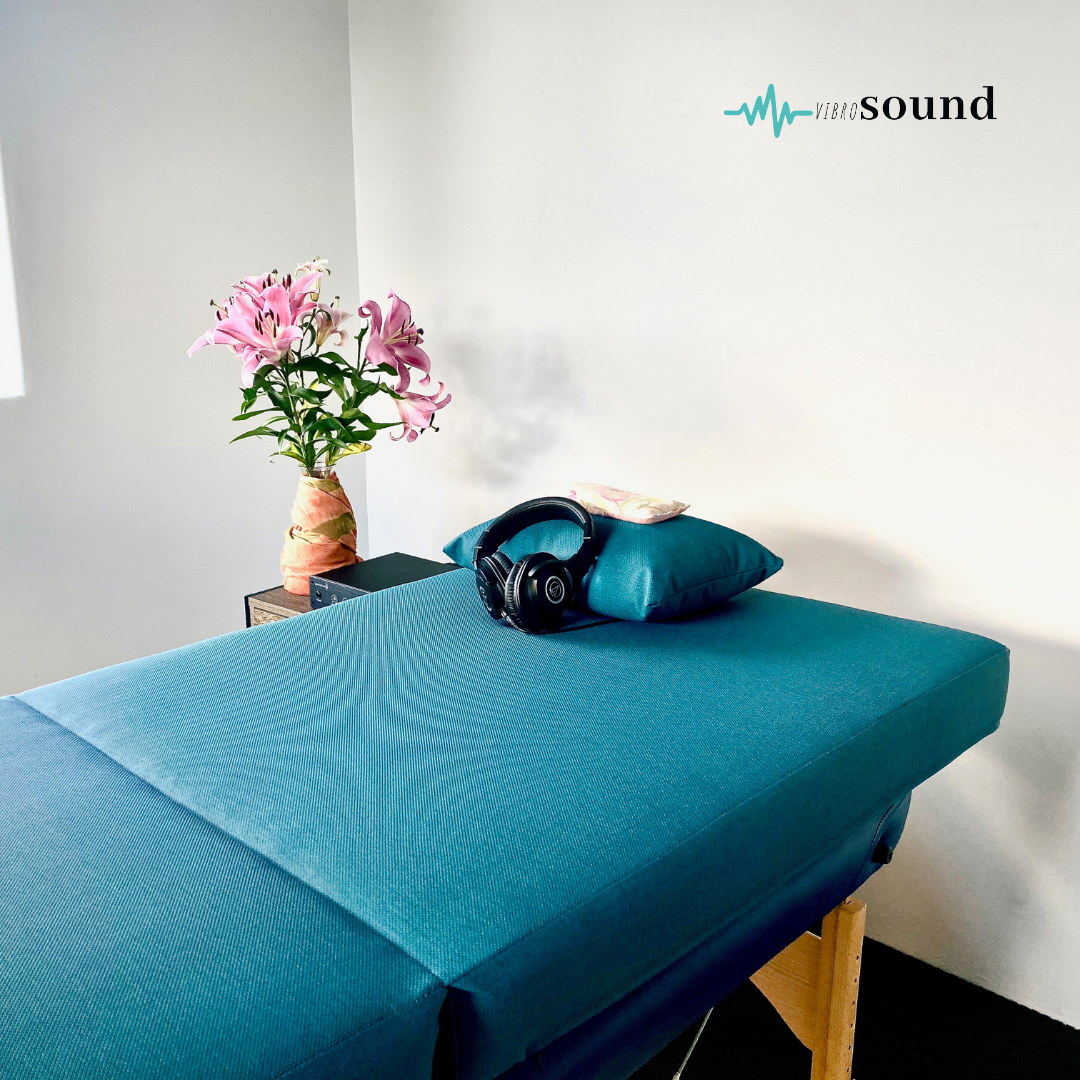
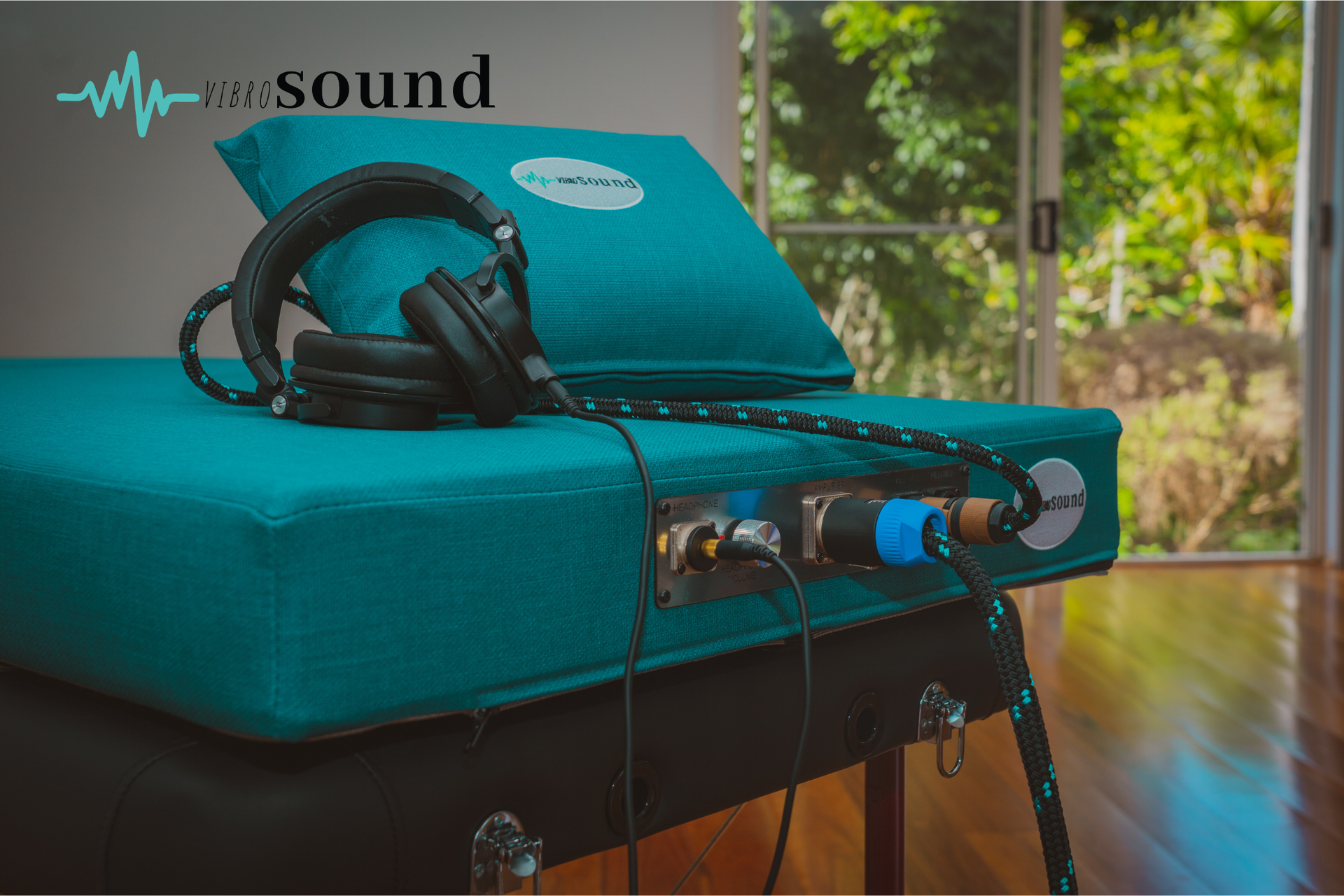
Our vibroacoustic lounges use embedded transducers to deliver therapeutic low-frequency vibration while you rest comfortably. At the same time, we provide carefully selected auditory tracks designed to support:
- Theta states (6–8 Hz) for deep relaxation and emotional processing
- Alpha states (around 10 Hz) for stress reduction and mental clarity
This dual input — vibration plus sound — creates a whole-body sensory experience that helps shift the nervous system toward regulation.
Therapeutic Frequency Protocols
We incorporate specific tonal and harmonic structures that are widely used in therapeutic sound settings to support relaxation, emotional balance, and restorative states. These are not used in isolation but as part of a broader clinical framework that includes your history, symptoms, and nervous system patterns.
Our focus is always on how your body responds, rather than rigidly applying the same sounds to everyone.
Our Treatment Protocol at Coastal Rehab Hub
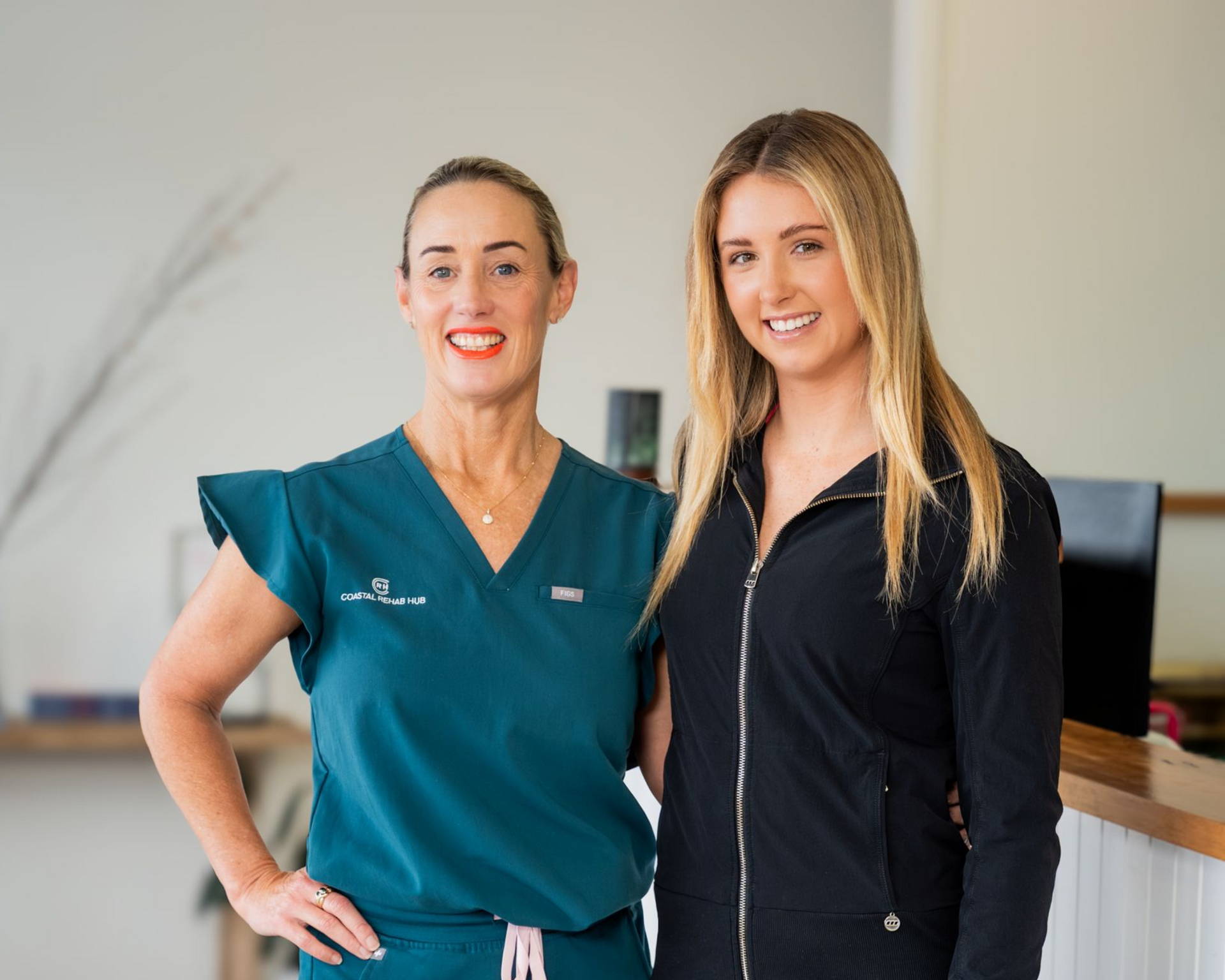
Since opening, we’ve refined a structured yet flexible process to ensure neuro-acoustic sound therapy is both safe and personalised.
Initial Assessment and Customisation
Every client begins with a thorough intake and nervous system–focused assessment.
- Review of health history, stress load, sleep patterns, and sensory sensitivities
- Screening for neurological, developmental, or chronic pain conditions that may influence treatment
- Baseline HRV or stress-response markers where relevant
- Gentle trial of selected frequencies to observe your individual response
From here, we develop a tailored plan using neuro-acoustic sound therapy alone or alongside other services we offer.
Treatment Pathway Overview
Many clients benefit from a blended approach, especially where stress, pain, and sleep issues overlap.
| Focus Area | Primary Sound Approach | Session Length | Typical Frequency | Expected Outcomes |
|---|---|---|---|---|
| Acute Stress & Anxiety | Alpha-range entrainment + mid-range vibroacoustic | 30–45 min | 2–3× weekly initially | Calmer mood, reduced tension |
| Chronic Pain & Tension | Lower-frequency vibroacoustic + relaxation tracks | 45–60 min | 1–2× weekly | Reduced pain sensitivity, improved mobility |
| Sleep Support | Theta-to-delta entrainment in evening sessions | ~45 min | 2–3× weekly short term | Easier sleep onset, deeper rest |
Common Challenges and Solutions
Sound Sensitivity or Feeling Overwhelmed
Some people — especially those with trauma histories or sensory sensitivity — can find certain sounds intense at first. We start with lower intensities and shorter sessions, gradually building tolerance as your nervous system becomes more regulated.
Variable Response to Standard Frequencies
Every brain and nervous system is different. If you don’t respond strongly to common frequency ranges, we adjust tone, rhythm, and vibration patterns based on your feedback and physiological markers.
Integrating with Medical Care
Neuro-acoustic sound therapy is complementary, not a replacement for medical treatment. We work alongside your GP or specialist where needed and modify sessions if you’re using medications that affect mood, sleep, or nervous system activity.
Next Steps
Neuro-acoustic sound therapy offers a gentle, research-informed way to support nervous system regulation, stress recovery, and whole-body relaxation. At Coastal Rehab Hub, we combine vibroacoustic therapy, brainwave-based sound protocols, and personalised assessment to help your body shift into a state where healing is more accessible.
To get started:
- Book an initial consultation to see if neuro-acoustic sound therapy is right for you
- Complete our pre-session questionnaire about your health, stress levels, and goals
- Bring along any relevant medical information so we can tailor your care safely
Neuro-Acoustic Therapy FAQs for Central Coast Patients
What is Neuro-Acoustic Sound Therapy?
Neuro-Acoustic Sound Therapy is a therapy that uses sound frequencies and gentle vibrations to settle the nervous system, ease tension, and support deep relaxation.
How does Neuro-Acoustic Sound Therapy work at Coastal Rehab Hub?
We use Australian-made vibro-acoustic devices that deliver sound and vibration through the body, helping you relax, release tension and improve your overall wellbeing.
Is Neuro-Acoustic Therapy available on the Central Coast?
Yes, we offer Neuro-Acoustic Therapy right here in Erina at Coastal Rehab Hub, making it easy for Central Coast locals to access advanced neuro-acoustic sound therapy.
What does a Neuro-Acoustic Sound Therapy session feel like?
Most people describe it as deeply soothing, like a full-body sound massage that melts stress and leaves you feeling calmer and clearer.
How long does a Neuro-Acoustic sound session go for?
Our sessions generally run for 30-45 minutes, giving your body plenty of time to settle into a restorative state.
What are the benefits of Neuro-Acoustic Sound Therapy?
It can help reduce stress, improve sleep, ease muscle tension, support pain relief and calm the nervous system.
Can Neuro-Acoustic Therapy help with anxiety or stress?
Yes, many clients use Neuro-Acoustic Therapy to settle their mind, reduce anxiety and support a calmer emotional state.
Does Neuro-Acoustic Sound Therapy help with sleep?
Absolutely, it's often used to support deeper, more restful sleep by calming the nervous system.
Is Neuro-Acoustic Sound Therapy good for chronic pain?
Yes, the vibration and sound frequencies can help reduce muscular tension and ease the discomfort linked with chronic pain conditions.
Can Neuro-Acoustic Sound Therapy support injury recovery?
Yes, it can complement rehabilitation by helping reduce tension, improve circulation and support your broader recovery program.