
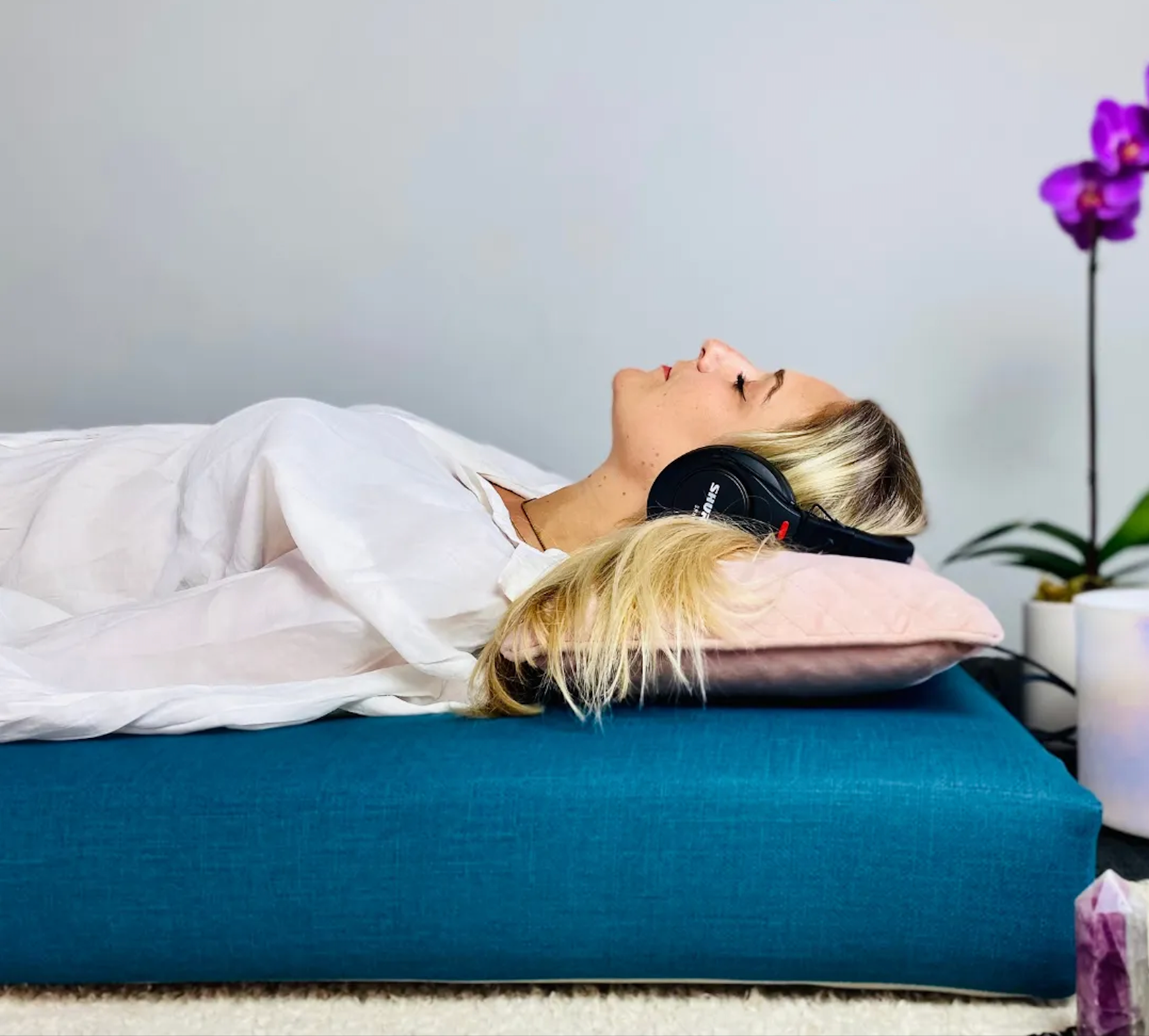
Compression Therapy on the Central Coast

Leonnie Reality Marketing • August 27, 2026

Swelling, heaviness and tired limbs can make everyday movement feel more difficult. For some people, these symptoms develop after surgery or cancer treatment. For others, they may be linked with lymphatic or venous conditions, reduced mobility, or the demands of training, competition and staying active.


Compression therapy is one option that may form part of a broader rehabilitation or recovery plan. At Coastal Rehab Hub in Erina, we use advanced sequential intermittent pneumatic compression systems to deliver gentle, controlled pressure through specialised garments fitted over the legs or arms, as one of the many treatment tools delivered. 

If you are curious about compression therapy, this guide explains how it works, who may benefit and what you can expect at an appointment.

What is Compression Therapy?

Compression therapy is a broad term for treatments that apply external pressure to an area of the body. You may already be familiar with working compression garments such as socks, stockings or sleeves. These provide ongoing pressure while they are worn.


Sequential intermittent pneumatic compression, often shortened to SIPC, works differently. A pump gently inflates a series of chambers inside a fitted garment, then deflates, and starts the sequence again. The chambers usually activate in sequence, creating rhythmic pressure along the limb.


This controlled action is designed to support the movement of fluid and assist venous and lymphatic return. Settings can be adjusted to suit the individual, including the level of pressure and length of the session. Compression therapy should be selected and used with appropriate screening, particularly when swelling is new, chronic, unexplained or associated with other health conditions.

Who may benefit from Compression Therapy?

Depending on a person’s health, symptoms and treatment goals, professionally guided compression therapy may be considered for:


  • Muscle recovery following training, competition or recreational sport
  • Lymphoedema or persistent limb swelling
  • Lipoedema related heaviness or secondary fluid congestion
  • Chronic venous insufficiency, where clinically appropriate
  • Post surgical swelling, once the treating team considers compression suitable
  • Reduced mobility and a tendency for fluid to pool in the limbs


Compression Therapy for Lymphatic and Venous Support

Compression therapy is not a one size fits all treatment. The cause of swelling matters, and different conditions require different approaches. For example, a person managing lymphoedema may need compression to sit within a comprehensive plan that also includes education, movement, skin care, manual therapy or prescribed garments.


The lymphatic system helps maintain fluid balance and supports immune function. When lymphatic drainage is disrupted or overloaded, fluid can accumulate in the tissues. This may occur following lymph node surgery or radiation treatment, or as part of a primary or secondary lymphatic condition.


Compression is an established component of lymphoedema management. Pneumatic compression may be used alongside other clinically indicated strategies, rather than replacing assessment, prescribed compression garments or a personalised management plan.


Compression may also be considered for some people with venous conditions. In these cases, external pressure can support the return of blood from the limbs. Because arterial circulation and cardiovascular health must be considered, appropriate screening is an important first step.

Can Compression Therapy Support Sports Recovery?

Central Coast locals are an active bunch. From weekend sport and gym sessions to running, surfing and long walks, tired legs can be part of staying active.

After a hard session or competition, muscles can feel heavy, tight and fatigued. Some athletes and active people use pneumatic compression between training sessions to support muscle recovery and circulation. 


At Coastal Rehab Hub, compression therapy can be considered as one part of a personalised sports recovery plan. It may be useful for recreational athletes, regular gym goers, runners, field sport players and active people who want to recover well enough to train consistently. A session can also offer a practical period of rest after a demanding event or training block.


Compression does not replace the foundations of good recovery. Suitable training loads, hydration, nutrition, sleep, mobility work and active recovery remain essential. Results vary between individuals, so the team considers your sport, recent workload, symptoms and recovery goals before recommending a pathway.

Where can Compression fit into a Sports Recovery Routine?

There is no single schedule that suits every athlete. Depending on your training week and how your body responds, compression therapy may be considered:


  • After a demanding lower body training session or competition
  • During a heavy training block when recovery time between sessions is limited
  • Following a tournament, endurance event or weekend of repeated competition
  • After travel, prolonged sitting or a period when the legs feel particularly heavy


The most useful timing depends on your sport, training load and health history. The Coastal Rehab Hub team can help you decide whether an occasional session or a more regular recovery routine is appropriate. The aim is to support consistency and comfort, not to mask an injury or encourage training through pain.


If pain, swelling or reduced function persists after exercise, it is important to have the problem assessed rather than relying on a recovery modality alone.

What happens during a session at Coastal Rehab Hub?

Your experience starts with a conversation about your health history, current symptoms and goals. This helps the Coastal Rehab Hub team determine whether compression therapy is appropriate for you and whether further medical advice is needed.


If treatment is suitable, a garment is fitted over the relevant limb or limbs. The garment connects to a programmable pump, and the pressure is adjusted according to your needs and comfort. As the chambers inflate and release, most people notice a firm but gentle squeezing sensation.


You can relax during the session while the system completes its programmed cycles. The team will explain what you may feel, monitor your comfort and adjust the treatment if required. Your recommended session length and frequency will depend on your presentation, response and overall care plan.

Is Compression Therapy the same as a Compression Garment?

No. A compression garment provides a working graduation compression during the day, and a gentle compression overnight, and is generally worn for a prescribed period. A pneumatic compression system provides changing pressure through repeated inflation and deflation cycles during a treatment session.


The two approaches can have different roles, and work exceptionally well together for optimal outcomes. Some people may use a pneumatic system as an adjunct to professionally fitted compression garments, while others may attend occasional sessions for a specific recovery goal. Your clinician can help determine what is appropriate for your circumstances.

Compression is not suitable for everyone. Screening is particularly important if you have a history of blood clots, significant arterial disease, uncontrolled heart failure, active infection or cellulitis, fragile skin, reduced sensation, or a recent injury or operation.


Seek urgent medical care for sudden or unexplained swelling, especially when it affects one limb or is accompanied by pain, redness, warmth, chest pain or shortness of breath. These symptoms require medical assessment and should not be self treated with compression.


Always tell the Coastal Rehab Hub team about your medical conditions, recent procedures and current symptoms. Where necessary, the team may recommend clearance or input from your GP, specialist or surgeon before commencing treatment.

A personalised approach to recovery in Erina

Led by rehabilitation specialist Kate Perkins and her experienced team, Coastal Rehab Hub brings rehabilitation and wellness services together in one supportive Central Coast clinic. Compression therapy may be used on its own or considered alongside other services such as remedial or lymphatic massage, movement support, MLS Laser Therapy and red light therapy, depending on your needs and clinical suitability.


The aim is not to offer the same protocol to everyone. It is to understand what is contributing to your symptoms, identify an appropriate pathway and help you feel informed and confident about each step.

Would you like to know whether Compression Therapy is right for you?

If you are managing swelling, heavy legs, reduced mobility or post exercise fatigue, or you want to build a more considered sports recovery routine, the Coastal Rehab Hub team can discuss your goals and help you understand whether compression therapy may be suitable.


Coastal Rehab Hub is located at 5/30 Karalta Road, Erina, and supports clients from across the Central Coast. No GP referral is required to make an enquiry or book an appointment, although medical clearance may be recommended for some conditions.


Call 02 4312 7033, email reception@crls.au or book online to take the next step.


General information only: This article provides general educational information and does not replace individual medical advice, diagnosis or treatment. Suitability for compression therapy depends on your health history and current presentation.

Recent Posts

By Leonnie Reality Marketing April 18, 2026
Discover Neuro-Acoustic Sound Therapy on the Central Coast - a non-invasive, evidence-based approach to support stress, sleep, pain and nervous system health.

Woman smiling, looking out window.  Blond hair, gray sweater, standing in sunlit room with plants and shelving.
By Amy September 30, 2025
Feel like yourself again with our red light therapy bed, a gentle, evidence-based way to manage menopause changes for Central Coast women.
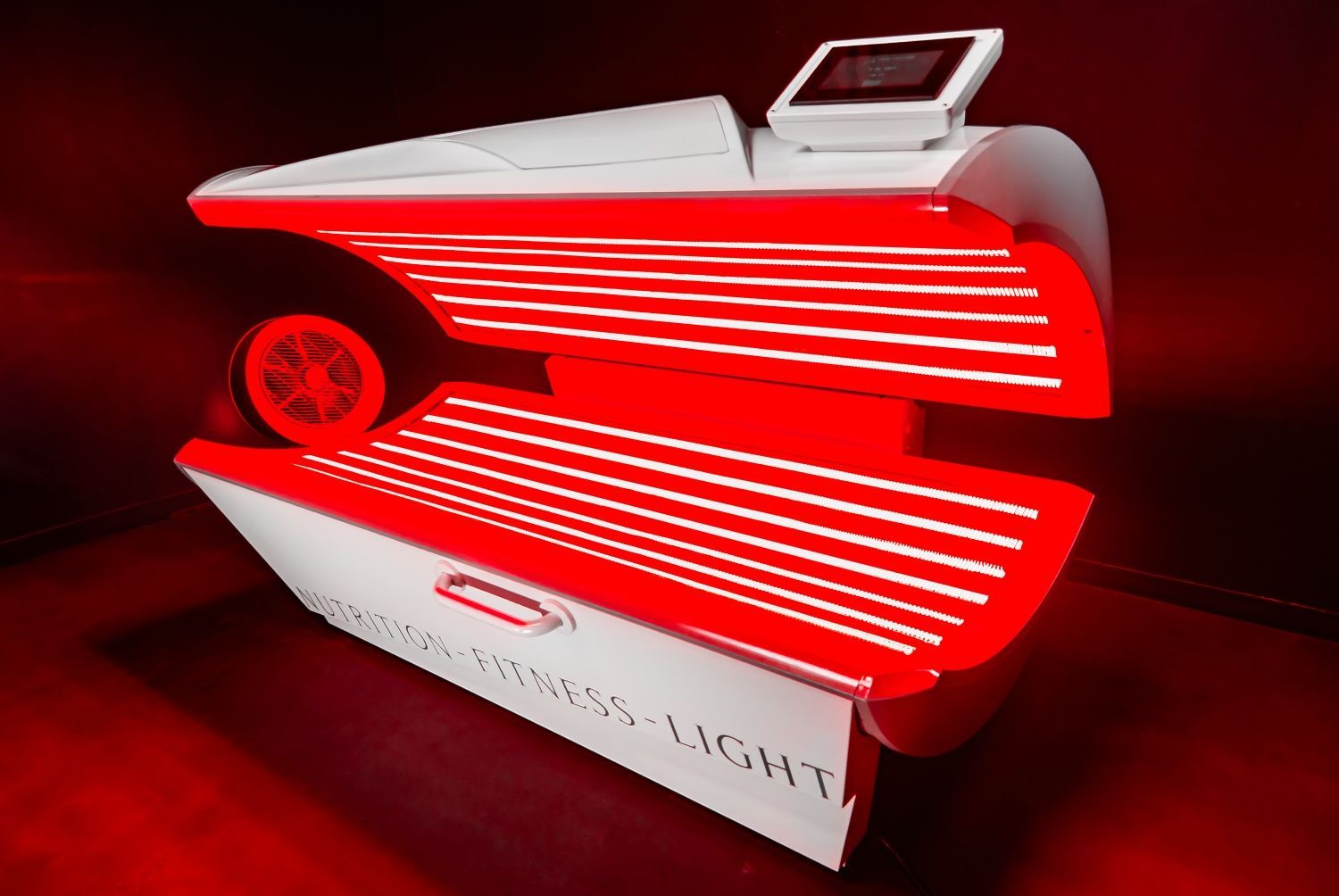
Red light therapy machine, white and red with a control panel.
By Amy July 9, 2025
The Prism Light Pod brings full-body red light therapy to the Central Coast, promoting whole-body wellness in just 15 minutes.
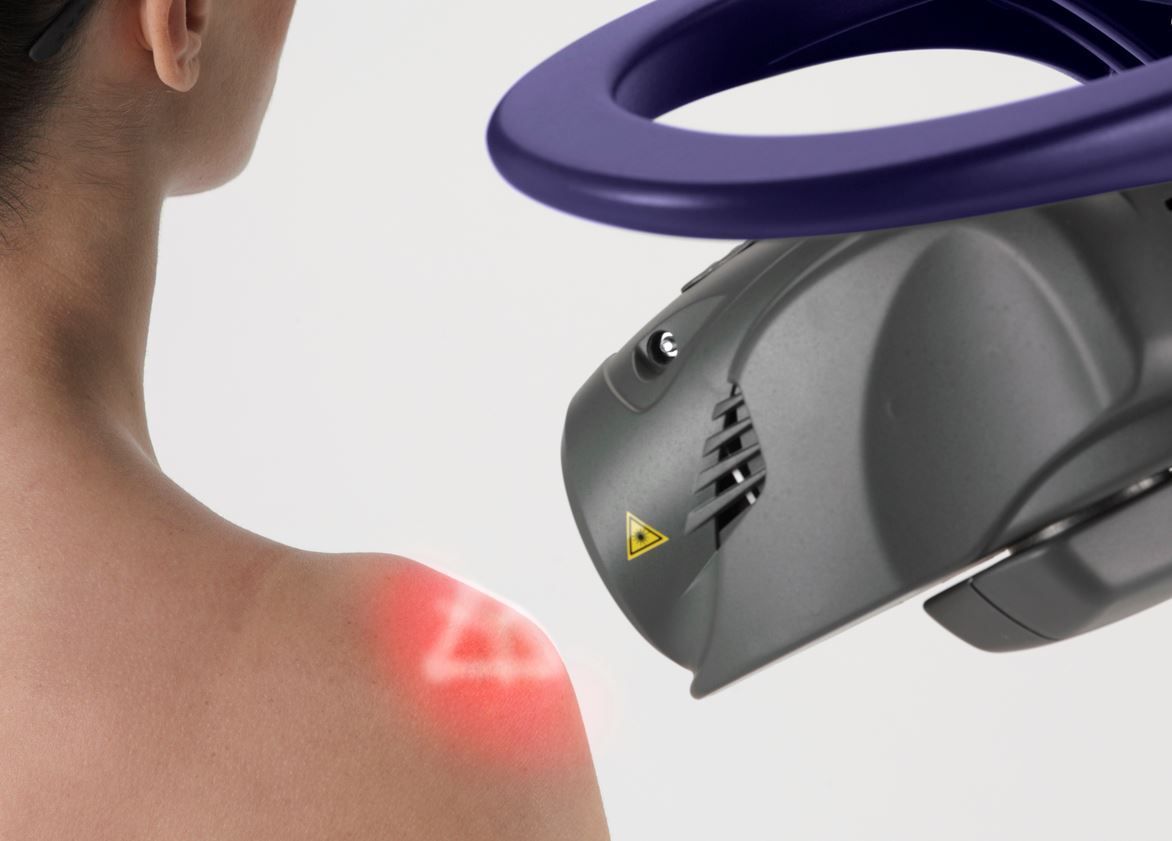
A person's shoulder being treated with a laser device, emitting red light.
By Leonie August 14, 2023
Coastal Rehab Hub's integration of MLS Laser Therapy marks a significant stride in healthcare innovation on the Central Coast.

Woman in pink top and white pants sitting on a white chair next to a potted plant, with a blue wall backdrop.
By Leonie April 18, 2023
Coastal Rehab Hub holds the only Private clinic on the Central Coast that solely focuses on providing cancer rehabilitation and lymphoedema expert services
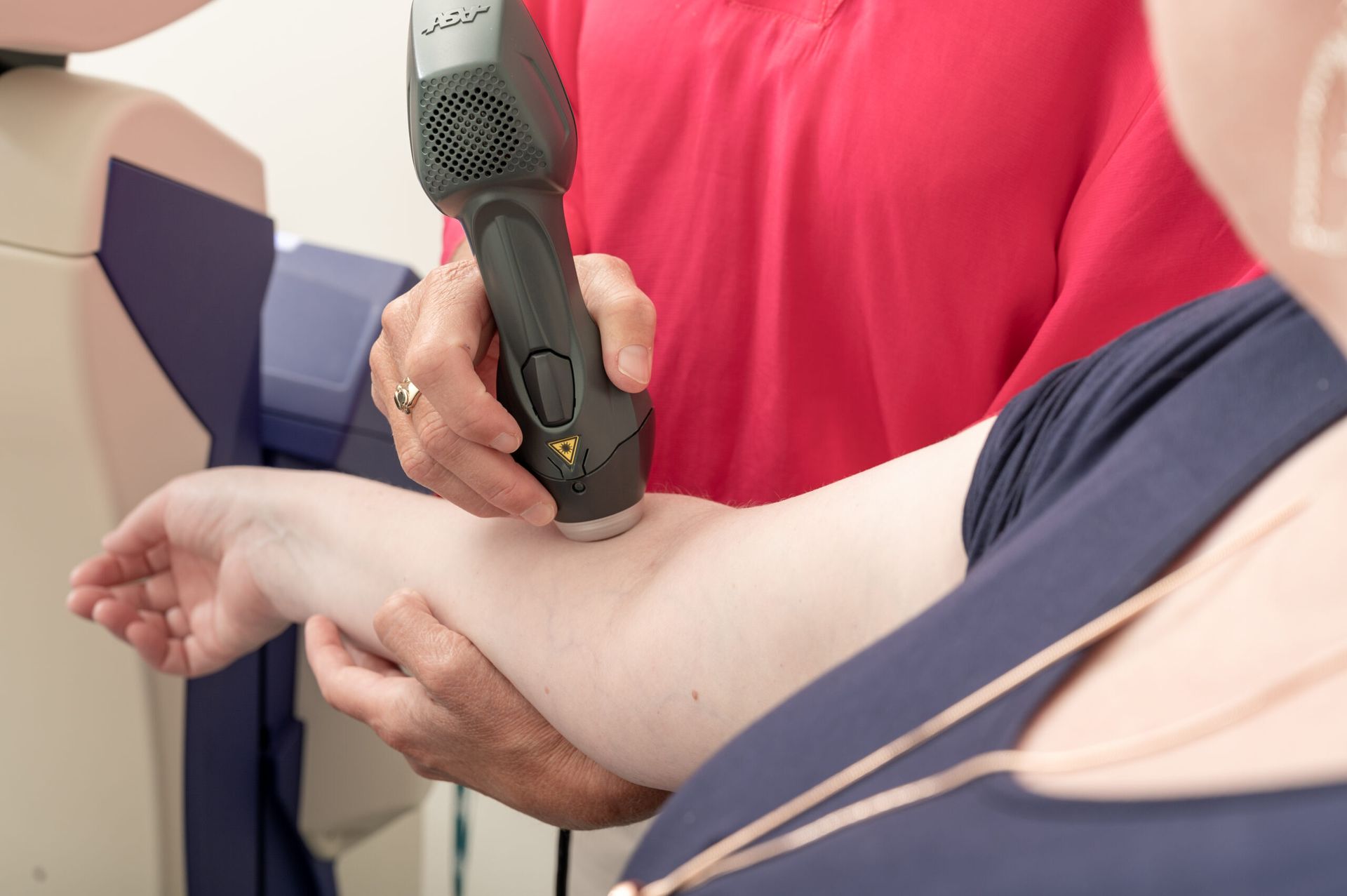
Person receiving treatment on their arm from a handheld medical device.
By Katie Perkins January 17, 2023
From accelerated tissue repair and cell growth, faster wound healing & a reduction in inflammation, we talk 10 benefits of laser therapy.
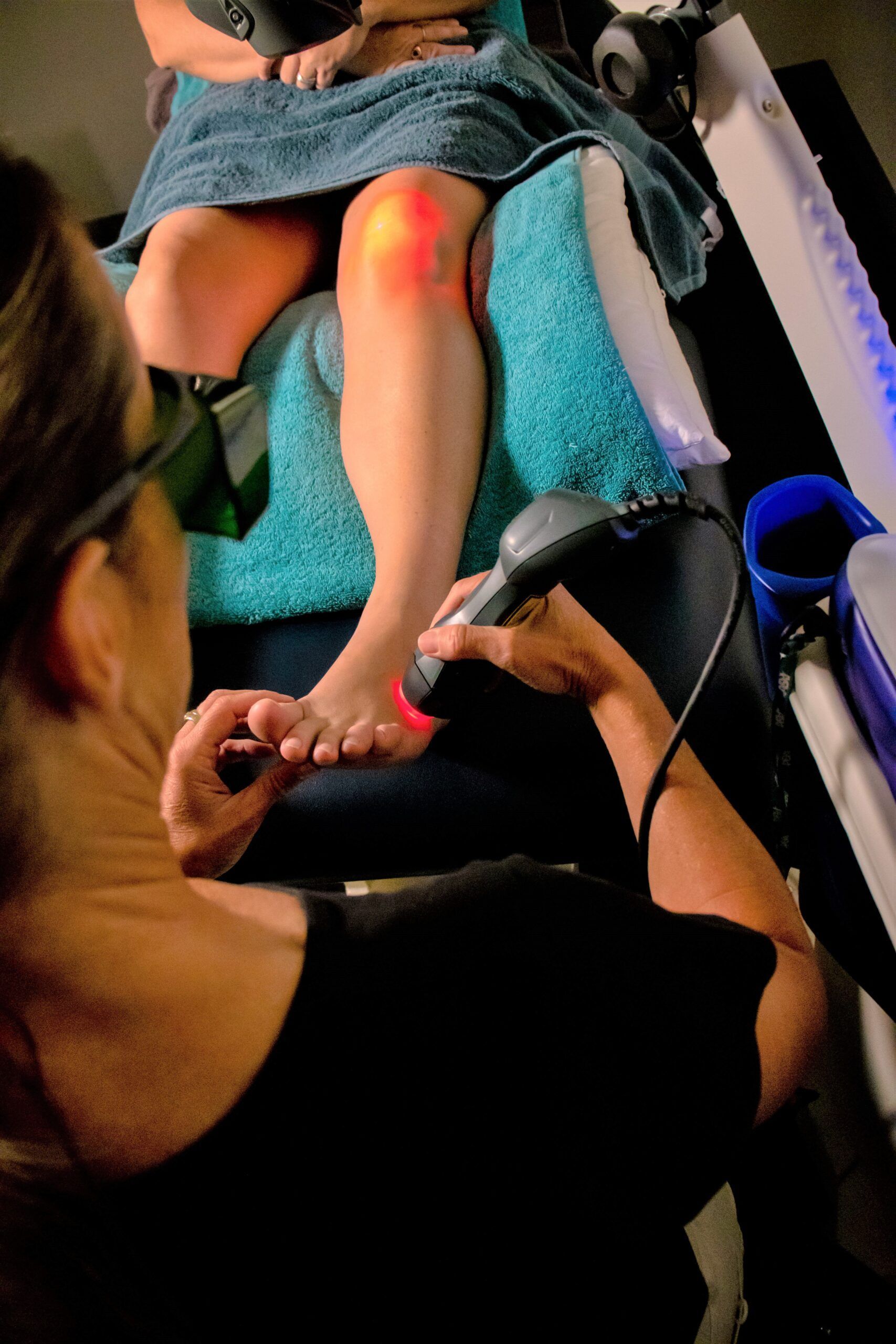
Person administering laser therapy to a patient's leg and foot; red laser light visible.
By Kate Perkins September 20, 2022
Laser therapy is a non-invasive treatment that reduces pain and inflammation so that patients can return to everyday activities faster.