Sound Healing vs Sound Baths vs Neuro-Acoustic Therapy
You probably already know how a particular song can change your mood within a few minutes. Sound healing builds on that everyday experience, using instruments, vibration and carefully chosen sounds to help your body relax, ease tension and feel more settled. At Coastal Rehab Hub in Erina, we offer sound-based therapy in a clinical setting, and we are often asked how it compares with the sound baths people see advertised around the Central Coast. This guide explains what sound healing involves, how a sound bath differs from clinical neuro-acoustic therapy, and what the research says so far.
Key Takeaways
- Sound healing is a broad term for using sound and vibration, from group sound baths to one-to-one clinical sessions, to support relaxation and help calm the nervous system.
- At Coastal Rehab Hub we offer neuro-acoustic therapy using Australian-made vibro-acoustic devices, tuning forks and curated sound healing tracks. It is a complementary therapy, not a replacement for medical treatment, and no GP referral is needed.
- People explore sound-based therapies to help with stress, muscle tension, sleep and general wellbeing, usually alongside their other care.
- Different instruments feel very different. Singing bowls produce sustained tones you hear, while low-frequency vibro-acoustic sound is something you also feel through your body.
What Is Sound Healing?
Sound healing is the intentional use of sound and vibration to support relaxation, emotional settling and overall wellbeing. It is not about volume or your favourite playlist. It is about using particular sounds and rhythms that encourage your body to shift out of a stressed state and into a calmer one.
Sound healing can take several forms:
- Group sound baths
- One-to-one sound therapy sessions
- Clinical neuro-acoustic or vibro-acoustic therapy
- Simple listening practices at home
Common instruments include Tibetan (metal) singing bowls, crystal singing bowls, gongs, chimes, tuning forks, the voice and recorded therapeutic music or tones. Each creates a different texture of sound, from warm and layered to clear and bell-like.
Sound healing is complementary. It can sit alongside physiotherapy, psychology, medication and medical treatment, but it does not cure health conditions. We see it as one more tool in a broader, holistic approach to your health.
How Sound Affects the Brain, Body and Nervous System
Slow, steady and predictable sounds can help your nervous system move out of fight-or-flight and into a more restful state. Your body is constantly responding to sound and vibration, from your own heartbeat to traffic noise to music in a café.
Your autonomic nervous system has two main branches:
- Sympathetic (fight or flight): raises heart rate, tightens muscles and keeps you alert
- Parasympathetic (rest and restore): slows things down so your body can recover
When you live with ongoing stress, the sympathetic branch can stay switched on, leaving muscles tight and sleep shallow. Calm, rhythmic sound is thought to help in a few ways:
- Rhythmic entrainment: brain and body rhythms can gradually fall into step with slow, steady external rhythms
- Brainwave shifts: gentle, repetitive sound may help the brain move from busy, alert states towards the calmer alpha and theta states linked with relaxation
- Physical vibration: low-frequency vibration felt through the body may help muscles let go of tension
Many people notice they breathe more slowly and feel heavier and calmer during a session. This is why sound-based therapy is often used to support relaxation and better sleep.
Scientific Research and the Benefits of Sound
Research into sound healing is growing and encouraging, but the evidence base is still developing. Many studies are small, use different methods and rely on self-reported measures such as mood or sleep quality. We think it is important to be upfront about that.
Researchers have looked at areas including singing bowl meditation, vibro-acoustic therapy for pain and anxiety, and sound-based approaches for sleep and mood. Some research links relaxation through sound with reduced stress markers and improved heart rate variability.
Realistic potential benefits of sound-based therapy include:
- Feeling less stressed and anxious
- Less muscle tension in the neck, shoulders, jaw and back
- Falling asleep more easily and sleeping more deeply
- A greater overall sense of calm and relaxation
- Support for comfort alongside a pain management or rehabilitation plan
Responses are very individual. Some people feel deeply relaxed after one session, while others notice changes over several. We encourage you to see sound healing as one part of a broader self-care and rehabilitation plan, not a stand-alone fix.
What Is a Sound Bath?
A sound bath is usually a group session where people lie or sit comfortably while a facilitator plays instruments such as singing bowls, gongs and chimes around them.
In a typical sound bath:
- Lighting is low and participants rest on mats or blankets
- Eyes are usually closed and people simply listen
- Layers of tone and resonance fill the room
- No physical effort is needed, so you can just let your body respond
The aim is to help people feel calmer, less tense and more present. Many describe feeling lighter or quieter in the mind afterwards. Different instruments create different effects: high, shimmering crystal bowls can feel spacious, while deep gongs can feel grounding.
Sound baths can be a lovely relaxation experience, but they are not the same as clinical treatment and may not suit everyone with complex physical or mental health conditions.
Singing Bowls and Crystal Singing Bowls
Singing bowls are among the best-known sound healing instruments and are used in both sound baths and one-to-one sessions. There are two main types:
- Metal (Tibetan) singing bowls: struck or circled with a mallet to produce warm, layered tones rich in overtones
- Crystal singing bowls: made from quartz, producing clearer, bell-like tones that ring for a long time
The steady, sustained ringing of a bowl can help people slow their breathing, release muscle tension and drop into a meditative, restful state. In some practices bowls are placed around the body, or lightly on it, so the vibration is felt as well as heard. This is not right for everyone, particularly people with implants or areas of acute pain.
Personal preference matters a lot. Some people find deep metal tones soothing, while others prefer the clarity of crystal. If a sound feels overstimulating, that is useful information, not something to push through.
What Is Neuro-Acoustic and Vibro-Acoustic Therapy?
Neuro-acoustic and vibro-acoustic therapy use specially designed sound and low-frequency vibration, delivered through purpose-built devices, to help settle the nervous system. This sits at the more clinical end of sound therapy.
At Coastal Rehab Hub we combine:
- Australian-made vibro-acoustic devices
- Tuning forks
- Curated sound healing tracks
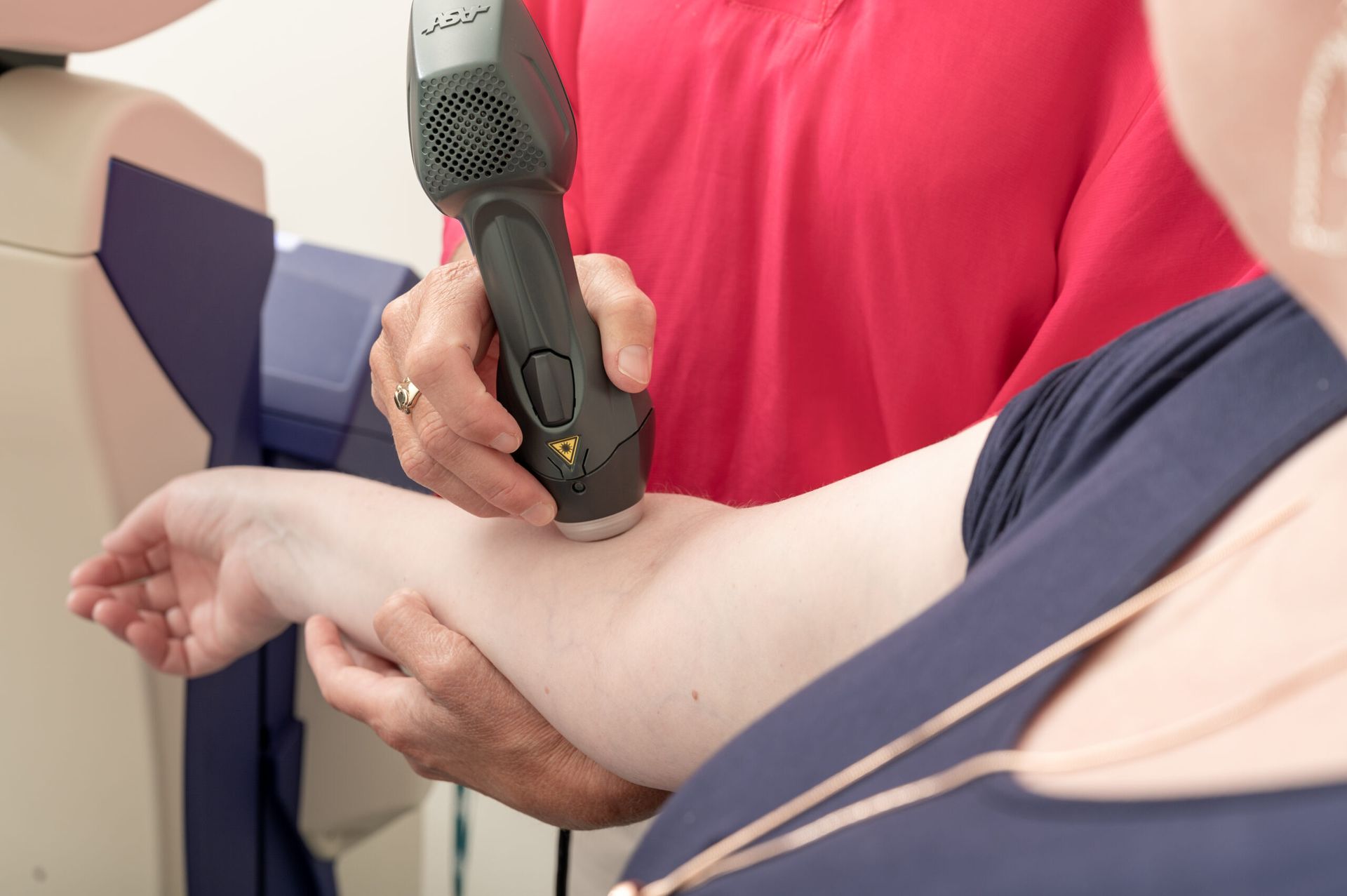
With vibro-acoustic therapy, low-frequency sound is felt as gentle vibration through your body while you listen to calming music or tones at the same time. Receiving sound through the body and the ears together tends to feel more immersive than listening alone. Tuning forks may be used near the body for more localised vibration, always with your consent and comfort in mind.
Sessions are one-to-one in a quiet room, and your practitioner adjusts the sound and vibration to suit your goals and how you are responding. We describe it as evidence-based and wellness-friendly: grounded in clinical thinking, but relaxed in feel. You can read more on our neuro-acoustic therapy Central Coast page.
Sound Baths vs Clinical Neuro-Acoustic Therapy: What's the Difference?
The main difference is that a sound bath is a shared, general relaxation experience, while clinical neuro-acoustic therapy is one-to-one and tailored to your health history and goals.
- Setting: a sound bath is a group in a shared space. Neuro-acoustic therapy is one-to-one in a clinic room.
- How sound is delivered: in a sound bath, sound travels through the air from instruments. In neuro-acoustic therapy, sound is felt through the body via a vibro-acoustic device, with tuning forks and curated tracks.
- Tailoring: a sound bath is the same for everyone in the room. Neuro-acoustic therapy is adjusted to your health history, goals and comfort.
- Goals: sound baths focus on general relaxation and a meditative experience. Neuro-acoustic therapy focuses on support for stress, muscle tension, pain, fatigue or sleep.
- Who leads it: sound baths are led by a facilitator. Neuro-acoustic therapy is monitored and adjusted by a practitioner throughout.
Neither is better than the other. Some people enjoy occasional sound baths for the atmosphere and community, and choose clinical sessions when they want more tailored support.
Potential Benefits: Stress, Blood Pressure, Muscle Tension and Sleep
People most often explore sound healing and neuro-acoustic therapy to ease stress, soften muscle tension and sleep better. Results vary, and these therapies work best as part of a wider plan.
- Stress: calming sound can help switch on the body's rest-and-restore response, which many people experience as a sense of settling within minutes
- Blood pressure: relaxation-based approaches, including sound, may help lower arousal, which can support healthy blood pressure. This does not replace medical management of high blood pressure
- Muscle tension and pain: low-frequency vibration may help ease tension in the neck, shoulders, back and jaw, and some people use it to support comfort alongside a pain management plan
- Sleep: a calmer nervous system before bed can make it easier to fall asleep and stay asleep, especially with regular sessions
- Emotional wellbeing: many people say they feel more grounded and better able to cope with everyday stress
Anyone with significant mental health concerns should keep working with their existing care team. Sound therapy can sit alongside that care, not replace it.
What to Expect in a Neuro-Acoustic Session at Coastal Rehab Hub
A neuro-acoustic session at Coastal Rehab Hub generally runs for 30 to 45 minutes in a calm, one-to-one setting at our Erina clinic. Here is how it usually flows:
- Arrival and conversation. We ask about your health history, current symptoms (such as pain, poor sleep, anxiety or stress) and what you would like to get from the session. No GP referral is needed.
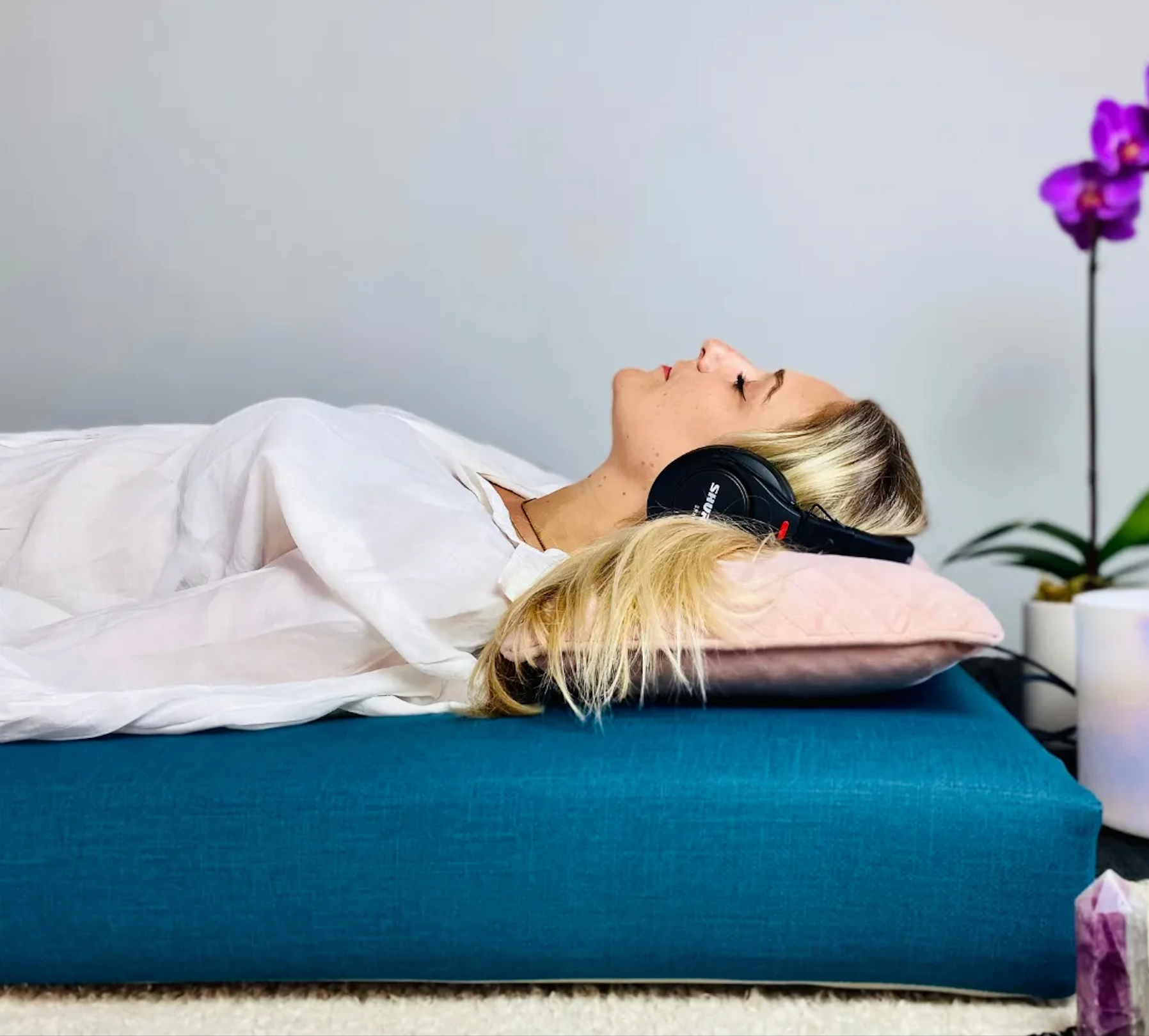
- Getting comfortable. You settle onto the vibro-acoustic lounge in comfortable clothing, with a light blanket if you would like one. Lighting is softened.
- Sound and vibration. We choose sound tracks and vibration settings to suit you, adjusting volume and intensity so you feel safe and comfortable.
- During the session. Many people feel gentle waves of vibration, warmth, heaviness or lightness in their limbs, or drift into a nap-like state. There is nothing you need to do except rest.
- Coming back. We give you time at the end to come back slowly before you get up. There is no rush.
We see clients from Terrigal, Gosford, Kincumber, Wyoming and right across the Central Coast.
Safety, Contraindications and When to Seek Medical Advice
Sound-based therapies are gentle and generally low risk, but they are not right for everyone. Please seek medical advice before trying a sound bath or vibro-acoustic therapy if you have:
- An unstable heart condition or uncontrolled blood pressure
- Epilepsy or a seizure disorder, particularly if triggered by sound
- Implanted medical devices such as a pacemaker or cochlear implant
- A mental health condition where strong sensory input could be unsettling
- A pregnancy, especially early or high-risk
Let your practitioner know about any metal implants, joint replacements, history of blood clots or recent surgery so sound and vibration can be used safely.
Sound healing does not replace medical care. Ongoing pain, changes in blood pressure, severe insomnia, changes in mood or worsening symptoms should always be checked by your GP or specialist.
Simple Ways to Use Sound for Relaxation and Better Sleep at Home
You can use simple sound-based habits at home to help your body wind down, even if you cannot get to regular sessions.
- Play gentle instrumental music, nature sounds or soft, steady tones in the evening
- Try different sounds, such as rain, slow drum rhythms, singing bowls or humming, and notice which ones help you feel heavier and calmer
- Pair sound with other calming habits like dim lights, slower breathing or gentle stretching to build a reliable wind-down routine
- Keep the volume low and stop if any sound makes you feel agitated, dizzy or unwell
Even ten minutes of calm listening each evening can help signal to your body that it is safe to rest. Consistency matters more than any particular track.
How to Get Started with Neuro-Acoustic Therapy at Coastal Rehab Hub
Getting started with neuro-acoustic therapy at Coastal Rehab Hub is simple: give us a call and we will talk through whether it suits you before you book.
- Phone us on 02 4312 7033
- No GP referral is needed
- Sessions are tailored to your comfort, health history and goals, whether that is easing muscle tension, supporting recovery or sleeping better
If you would like to read more first, our article on neuro-acoustic sound therapy and the nervous system goes into more detail.
Living with ongoing stress, pain or poor sleep can be exhausting, and it can feel like your body has forgotten how to switch off. You do not need any experience with meditation to benefit. Just a willingness to try something different.
Frequently Asked Questions About Sound Healing and Neuro-Acoustic Therapy
Is sound healing a replacement for my current medical treatment?
No. Sound healing, including neuro-acoustic and vibro-acoustic therapy, is complementary and does not replace care from your GP, specialist or psychologist. Keep taking any prescribed medications and following medical advice, and let your healthcare team know you are adding a new therapy.
How many neuro-acoustic sessions will I need before I notice a difference?
It varies. Many people feel more relaxed after a single session, while changes such as easier sleep or less muscle tension often build over several sessions. It depends on your goals, your health and how your nervous system responds. We review your progress with you and adjust your sessions as we go.
Can sound healing help with anxiety or stress?
Many people use sound-based therapy to help calm their mind and ease the physical tension that comes with stress and anxiety. It is not a cure for anxiety or depression. If you have significant mental health concerns, keep working with your GP, psychologist or psychiatrist alongside any sound therapy.
What should I wear and bring to a neuro-acoustic therapy session?
Wear comfortable, loose clothing so you can relax easily. You do not need to bring anything special, as we provide the vibro-acoustic equipment, tuning forks and sound tracks. Please switch your phone to silent so you can fully switch off.
Is neuro-acoustic therapy suitable for children or older adults?
Gentle sound and vibration can suit a wide range of ages, but we always consider each person's health, sensory preferences and comfort first. If you are a parent, carer or family member, call the Coastal Rehab Hub team on 02 4312 7033 to talk through your situation so we can advise whether neuro-acoustic therapy is a good option.
Recent Posts